
Elementary · Grade 1
Grade 1 at Al Fasaha Private School
A First Step into Elementary Learning
Grade 1 is a year of new questions, growing confidence and increasing responsibility.
Teacher guidance remains important, but pupils also begin to make more choices, share their thinking and discover that there can be more than one way to approach an idea.
For families comparing a Grade 1 private school in Muscat, this page offers a closer look at the learning experience we want children to have at A.F.S.
Elementary · Grade 1Learning in action
How Children Learn
How Children Learn in Grade 1
Learning in Grade 1 becomes more structured, but structure does not have to remove curiosity.
A question can become a starting point. Children may observe something, talk about what they notice, suggest an explanation and use materials, drawings, writing or discussion to develop the idea further.
The teacher helps organise the experience and introduces the knowledge or guidance children need. At the same time, pupils are given space to contribute rather than simply wait for the next instruction.
This balance helps children begin seeing themselves as active learners: people who can ask, think, try and improve.
01 / Inquire
Questions That Lead Somewhere
Meaningful learning happens when a question is given time to develop.
Instead of moving immediately from a question to the correct answer, Grade 1 pupils can be encouraged to think about what they already know, make a prediction and consider how they might find out more.
An observation can lead to conversation. Conversation can lead to comparison, drawing, reading, making or testing. New information may then change the original idea.
Children begin to experience learning as a process, not simply a sequence of answers to remember.
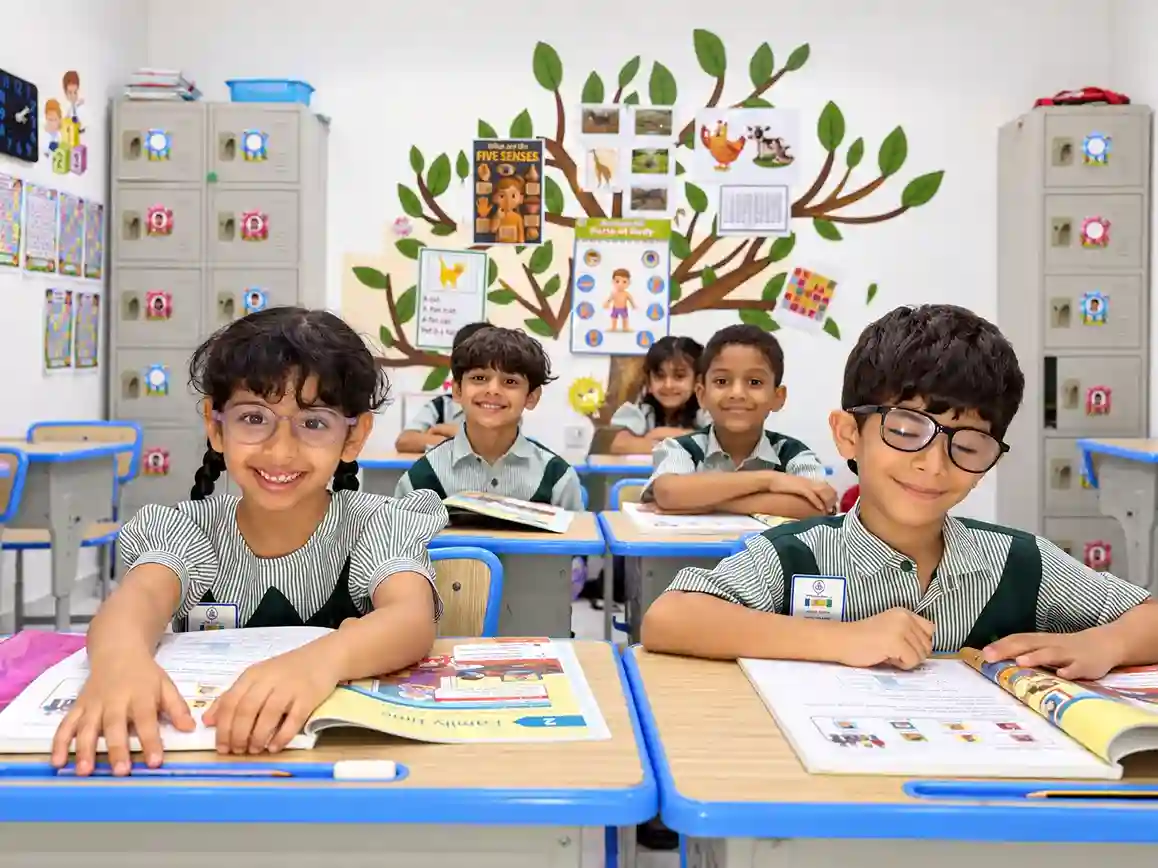
02 / Represent
Showing Thinking in Different Ways
Not every child explains an idea best in the same way.
A pupil may talk through a thought before writing it. Another may use a drawing or model to make a relationship clearer. A group may understand something more deeply after discussing different approaches.
Giving children different ways to represent ideas helps teachers see more than the final answer. It also helps pupils organise their thinking and communicate it to others.
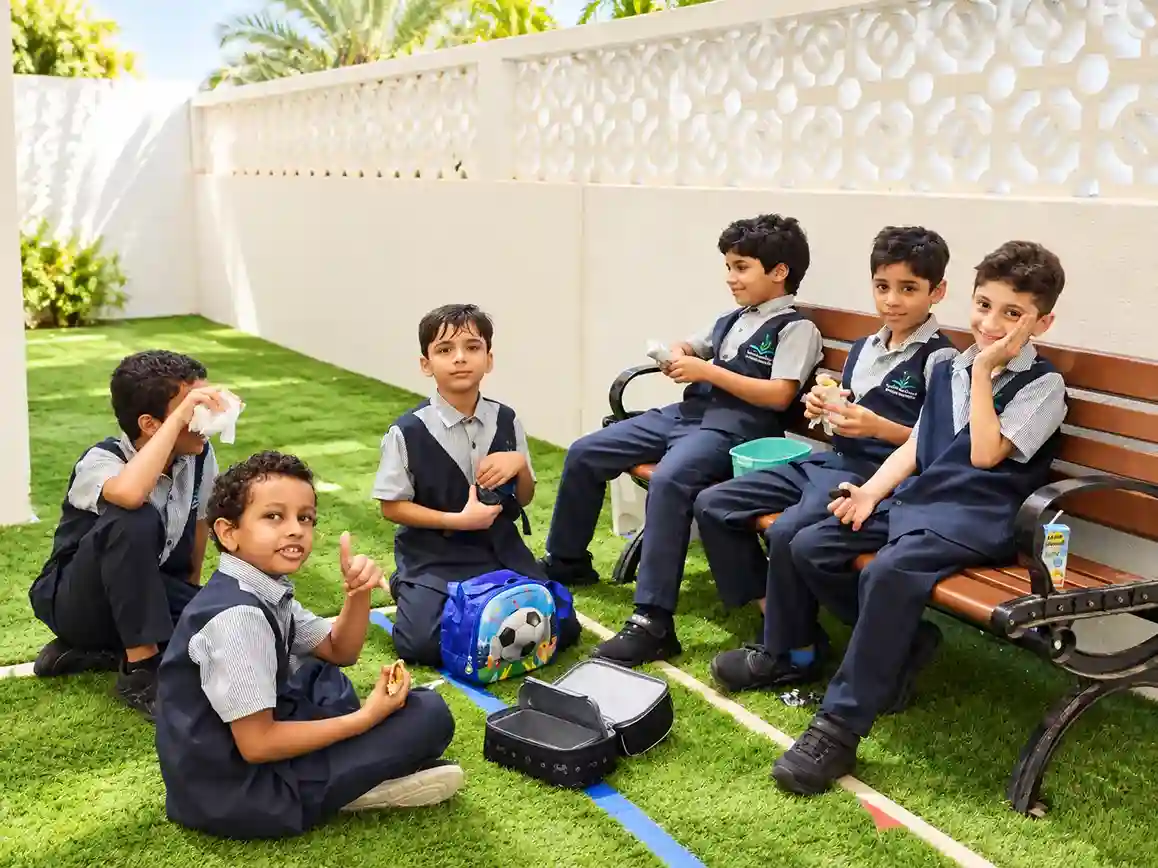
03 / Collaborate
Learning with Other Children
When children work with classmates, they hear ideas they may not have considered themselves. They practise explaining a point, listening to another person and changing an approach when a better possibility appears.
Collaboration should be more than placing pupils at the same table. A shared task can give each child a reason to contribute, question and respond.
Children begin to discover that another person’s idea can help the whole group see something differently.
From an Idea to a Deeper Learning Experience
One experience can connect observation, communication and reflection.
Some of the strongest learning experiences begin with something small.
A child might notice that one structure stays standing while another falls. Rather than simply explaining why, a teacher can invite pupils to look closely, compare the two, suggest reasons and try a different arrangement.
Children might sketch what they notice, describe their thinking, work together on another version and then return to their first idea.
One experience can connect observation, communication, problem-solving, creativity and reflection without feeling like a collection of unrelated tasks.
01
Look Closely
A child might notice that one structure stays standing while another falls.
02
Try a Different Arrangement
Pupils can compare the two, suggest reasons and try a different arrangement.
03
Return to the First Idea
Children might sketch what they notice, describe their thinking, work together on another version and then return to their first idea.
Teacher Guidance
The Teacher’s Role in Grade 1
“What do you notice?”
“Why do you think that happened?”
“What could you try next?”
Grade 1 pupils still need clear teaching, routines and guidance.
The teacher’s role is to know when to explain directly and when a thoughtful question can help a child take the next step for themselves.
Teachers can listen to pupils’ ideas, observe how they approach a task and ask questions such as: What do you notice? Why do you think that happened? What could you try next?
The goal is not to leave children to discover everything alone. It is to combine instruction with opportunities to think, participate and apply what they are learning.
The Learning Environment
A Classroom That Encourages Investigation
The classroom itself can support learning.
Books, pupil work, visual resources and materials can give children reasons to look again, compare, discuss and continue an idea.
We want Grade 1 spaces to feel purposeful rather than simply decorative. When children can see their work, ideas and questions reflected around them, the environment becomes part of the learning process.
Growing Independence
Growing Independence, One Step at a Time
Grade 1 is not about expecting children to manage everything independently from the beginning.
Independence develops through manageable responsibilities.
A child may begin by choosing how to represent an idea, organising materials for a task, explaining what they tried or deciding what they want to improve next.
These small decisions help pupils become more aware of their own learning and gradually move from “What am I supposed to do?” towards “What could I try?”
01
Choose
Choose how to represent an idea.
02
Organise
Organise materials for a task and explain what was tried.
03
Improve
Decide what could be improved or tried next.
Personal Attention
Personal Attention in Grade 1
Children can arrive at the same task with different questions, strengths and uncertainties.
Many A.F.S classes are intentionally small, giving teachers more opportunity to hear individual pupils, notice participation and recognise when a child may need another explanation or a different kind of prompt.
For parents looking for a Grade 1 school in Al Khoudh or a private elementary school in Muscat, the benefit is practical: teachers have more opportunity to understand how a child is engaging with learning, not only whether a task has been completed.
Personal attention means noticing how a child is engaging with learning, not only whether a task has been completed.
For Parents
What Should Parents Look for in a Grade 1 Classroom?
When choosing a Grade 1 school, look beyond displays and equipment. Ask what pupils actually do during the day.
01
Are they encouraged to ask questions?
Questions can reveal curiosity, uncertainty and the beginning of deeper thinking.
02
Can they explain ideas?
Children should have opportunities to communicate what they notice and how they reached an idea.
03
Do they have opportunities to work with others?
Shared tasks can give pupils reasons to contribute, listen, question and respond.
04
Does the teacher listen as well as instruct?
Thoughtful guidance depends on noticing how children are approaching the learning.
05
Can children try again?
Children should be able to revisit an approach when their first attempt does not work.
These questions reveal more about everyday learning than a list of facilities alone. A school visit gives parents the opportunity to see how the classroom feels in practice and ask how Grade 1 learning is approached.
Parent Questions
Grade 1 FAQs
What is Grade 1 learning like at A.F.S?
Grade 1 combines teacher guidance and structured learning with opportunities for pupils to ask questions, explore ideas, communicate their thinking and work with others.
How does A.F.S support independence in Grade 1?
Children are gradually given opportunities to make choices, organise aspects of their work, explain their thinking and reflect on what they might try next.
Do Grade 1 pupils work collaboratively?
Learning can include shared discussion and collaborative experiences where children contribute ideas, listen to others and develop thinking together.
Are Grade 1 classes small?
Many A.F.S classes are intentionally small. Parents can ask about the current Grade 1 class size when enquiring.
Where is Al Fasaha Grade 1?
Al Fasaha Private School is located in Al Khoudh, Al Seeb, Muscat, Oman.
Visit Grade 1 at Al Fasaha
See Grade 1 learning in practice.
A page can explain an approach, but seeing the environment can tell you much more.
If you are considering Grade 1 in Al Khoudh, Muscat, visit Al Fasaha, see the learning spaces and speak with our team about what Grade 1 could look like for your child.
