
Elementary at Al Fasaha Private School
Elementary from Grade 1 to Grade 8
At Al Fasaha Private School Elementary learning develops as children do. Across Grade 1 to Grade 8, pupils are encouraged to ask questions, investigate ideas, explain what they think, work with others and revisit their understanding. As they progress, teachers provide guidance and structure while giving children increasing space to make decisions, take responsibility and become more independent in the way they learn.
Elementary Learning
Elementary Grades 1-8 at A.F.S
Every Grade represents another step in how children approach learning. As pupils progress through Elementary, they are encouraged to ask more considered questions, connect ideas more independently, explain their reasoning more clearly and take greater responsibility for their work. The change is gradual. Teacher guidance remains important throughout, but the balance increasingly shifts towards helping pupils think, decide, reflect and contribute for themselves.
Explore the Grades
Explore Your Child’s Grade
Select a grade to see how the emphasis shifts as pupils progress through Elementary.
Grade 01
Elementary Grade 1
Learning to Notice, Ask and Participate
Grade 1 introduces children to a more structured Elementary learning environment while keeping participation at the centre. Pupils are encouraged to observe carefully, ask questions, share ideas and use different ways to show what they understand. Teacher guidance remains close as children become more comfortable contributing and making simple choices in their learning.
Grade 02
Elementary Grade 2
Building Ideas Through Observation and Discussion
In Grade 2, pupils begin connecting what they notice with what they already know. They are encouraged to compare, describe and discuss ideas with others while teachers help them look more closely and consider different possibilities. The focus gradually moves beyond giving an answer towards explaining the thinking behind it.
Grade 03
Elementary Grade 3
Turning Questions into Investigations
By Grade 3, children can begin following questions further. An observation may lead to a prediction, discussion, investigation or a different way of representing an idea. Pupils are encouraged to compare what they expected with what they discovered and talk about how new information may have changed their thinking.
Grade 04
Elementary Grade 4
Making Connections Across Learning
Grade 4 encourages pupils to see connections rather than treating every activity as an isolated task. They can draw on earlier learning, compare approaches and use discussion, writing, visual work or practical experiences to develop an idea. Teacher support increasingly helps children make these connections for themselves.
Grade 05
Elementary Grade 5
Explaining Thinking with Greater Confidence
Grade 5 places greater emphasis on communicating reasoning. Pupils are encouraged to explain how they reached an idea, listen to different viewpoints and reconsider their response when new information changes what they think. Learning becomes increasingly reflective, with attention given not only to the result but also to the thinking behind it.
Grade 06
Elementary Grade 6
Investigating with More Independence
In Grade 6, pupils can take greater responsibility for the way they approach a question or task. Teachers continue to provide structure and guidance, while children are encouraged to make more decisions, organise information and consider which approach may help them understand an idea more clearly.
Grade 07
Elementary Grade 7
Comparing Perspectives and Refining Ideas
Grade 7 gives pupils more opportunities to work with different viewpoints and more complex ideas. They are encouraged to question assumptions, explain their reasoning and improve their work after discussion, investigation or feedback. Collaboration becomes less about simply working together and more about learning from different ways of thinking.
Grade 08
Elementary Grade 8
Taking Greater Ownership of Learning
By Grade 8, pupils are encouraged to approach learning with greater independence and responsibility. They have more opportunities to plan, question, explain, revise and reflect without relying on step-by-step direction for every decision. Teacher guidance remains important, but increasingly supports pupils in strengthening judgement and taking ownership of the learning process.

How Children Learn
How Children Learn in Elementary at A.F.S
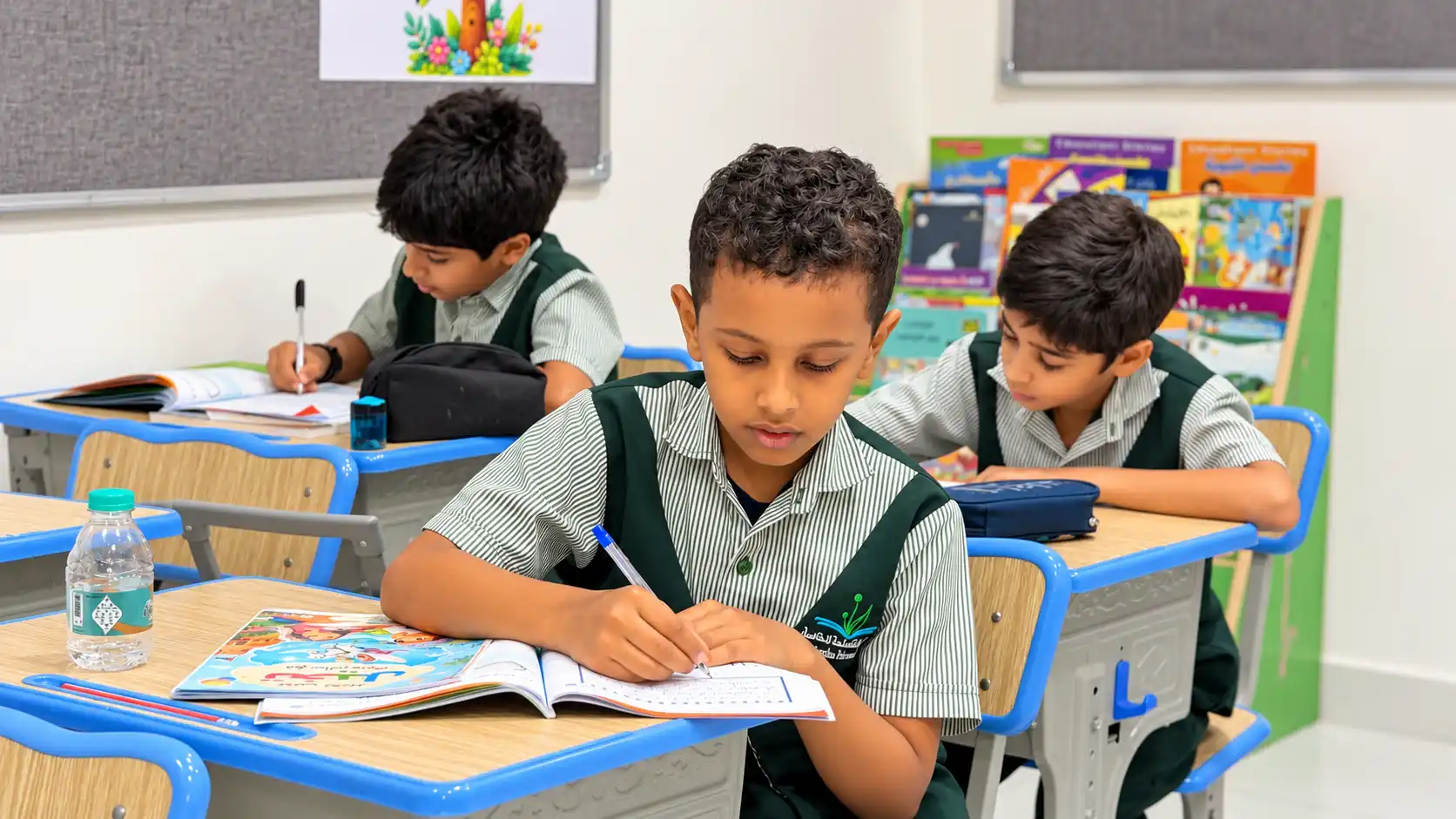
Elementary learning is not simply about doing more difficult work each year. The way children think, participate and take responsibility should develop too. Across the grades, learning moves from close guidance towards deeper investigation, clearer expression and greater independence.
01 / INQUIRE
Questions lead to investigation.
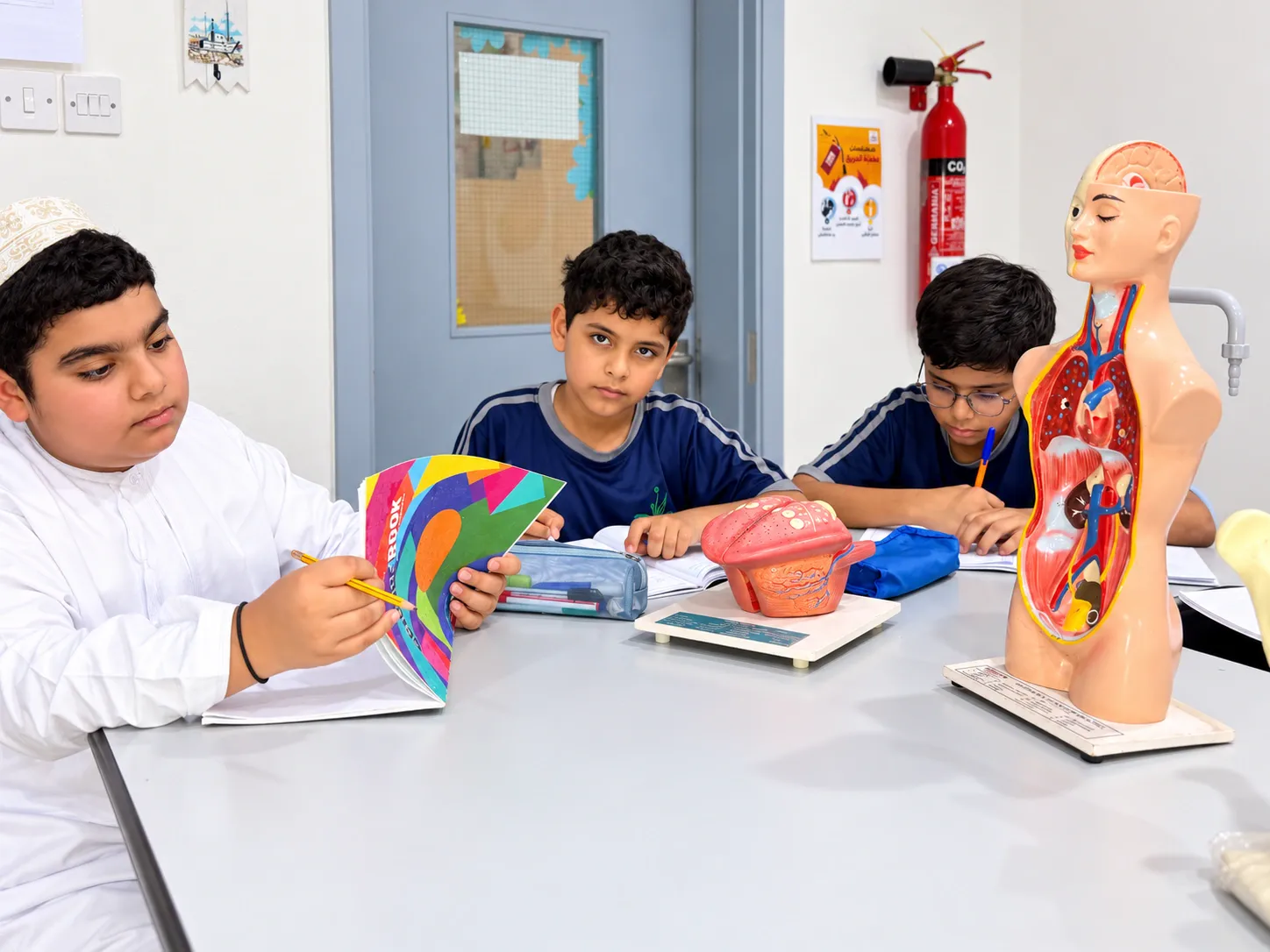
A question can become the beginning of deeper learning. Children are encouraged to notice, wonder, predict, explore and look again rather than simply receive an answer and move on.
02 / MAKE VISIBLE
Thinking can be made visible.
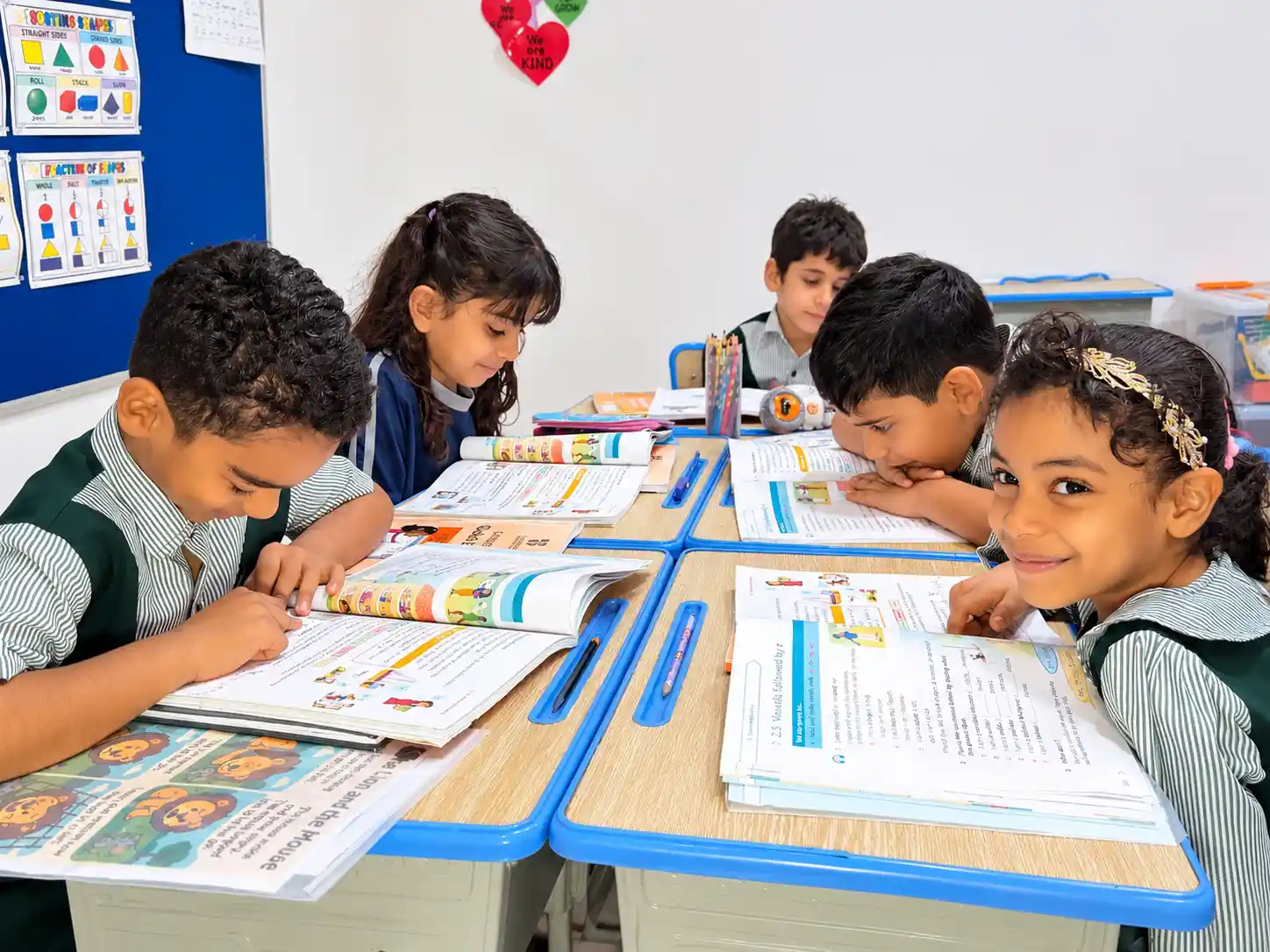
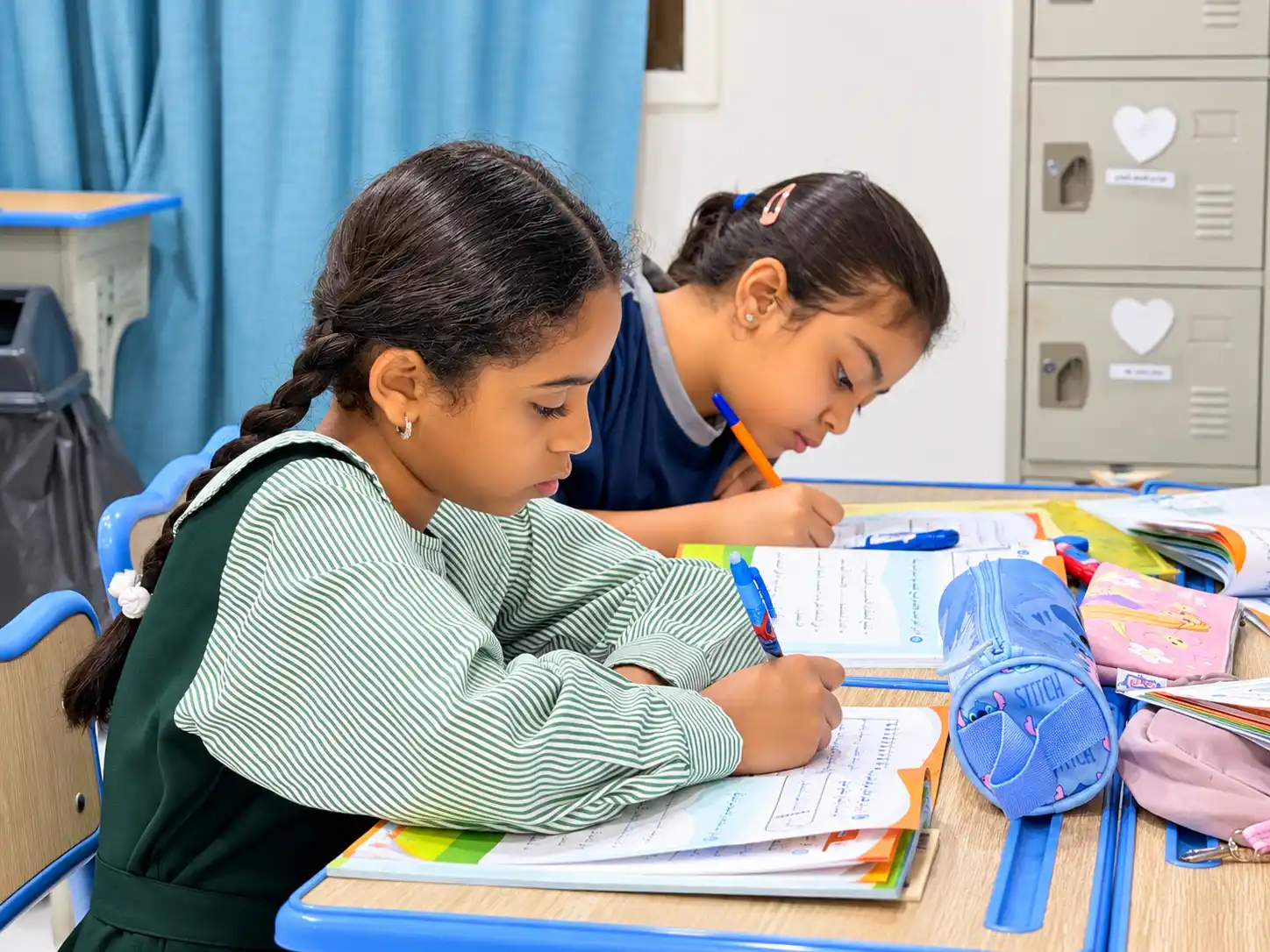
Children can communicate what they understand through discussion, writing, drawing, models and other forms of work. Expressing an idea helps them examine it, explain it to others and see how their thinking changes.
03 / DIALOGUE
Learning grows through others.
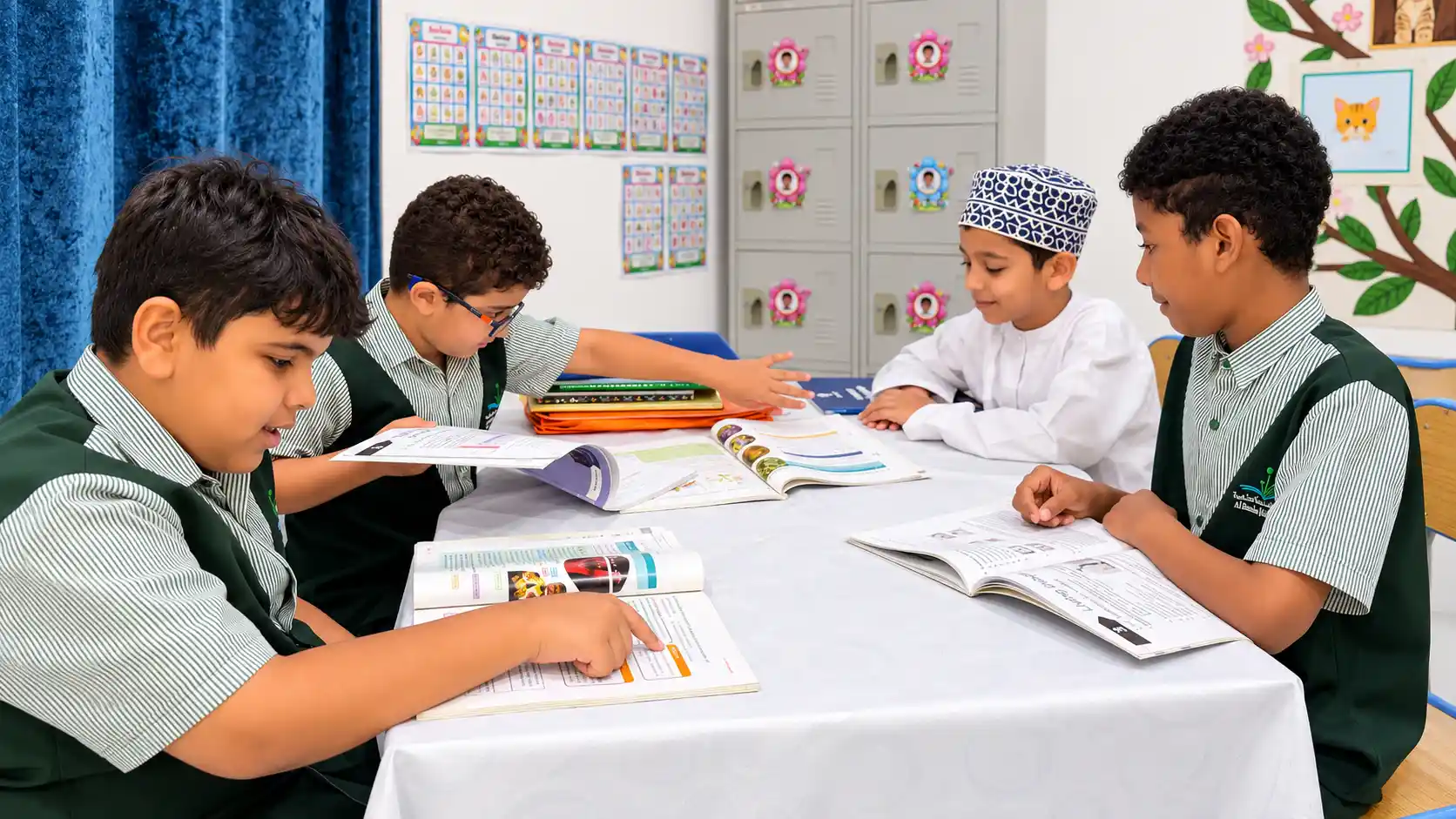
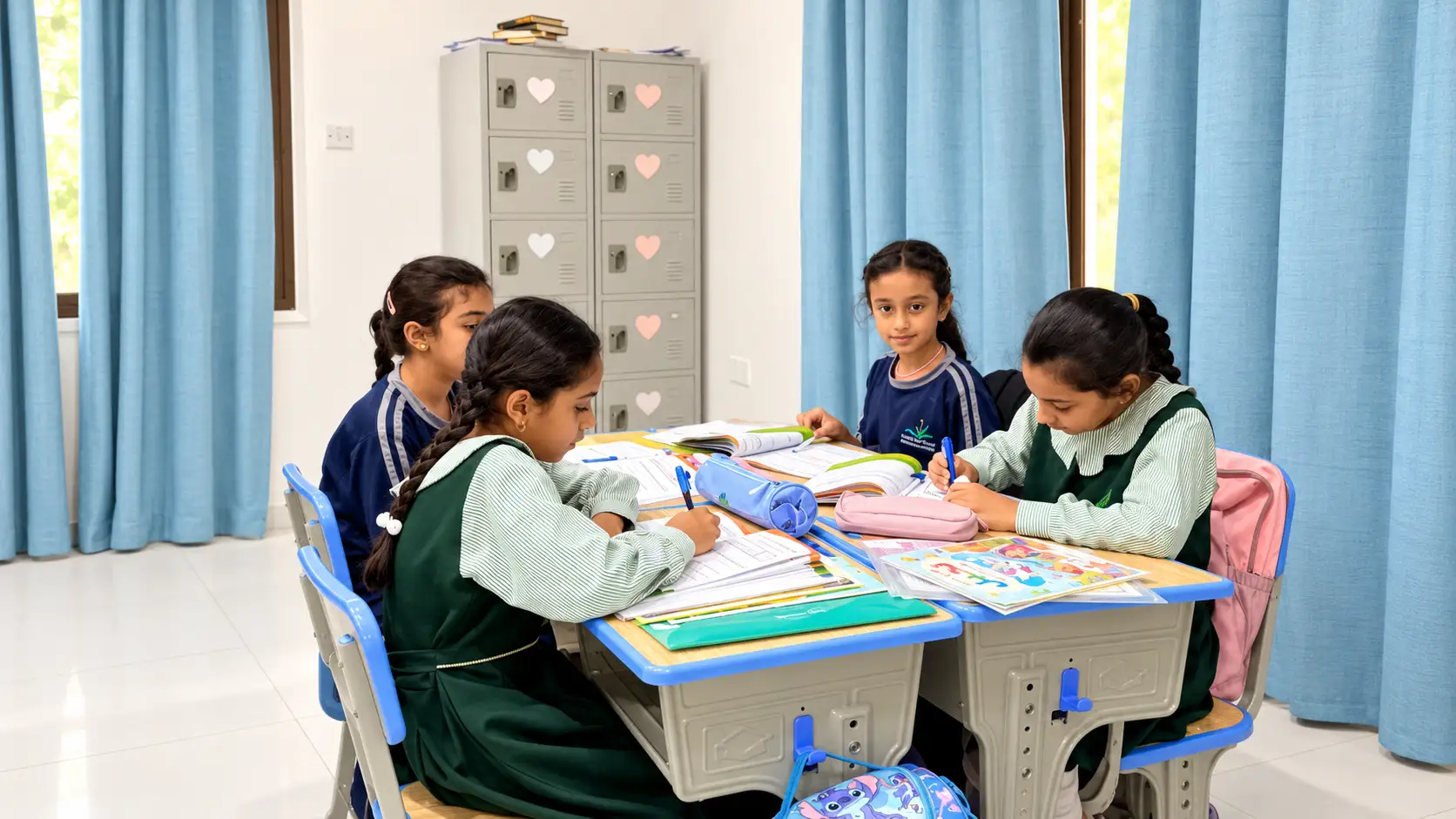
Working with classmates gives pupils opportunities to compare viewpoints, explain their reasoning and build on ideas that may be different from their own.
Teacher Guidance
How teachers guide learning.
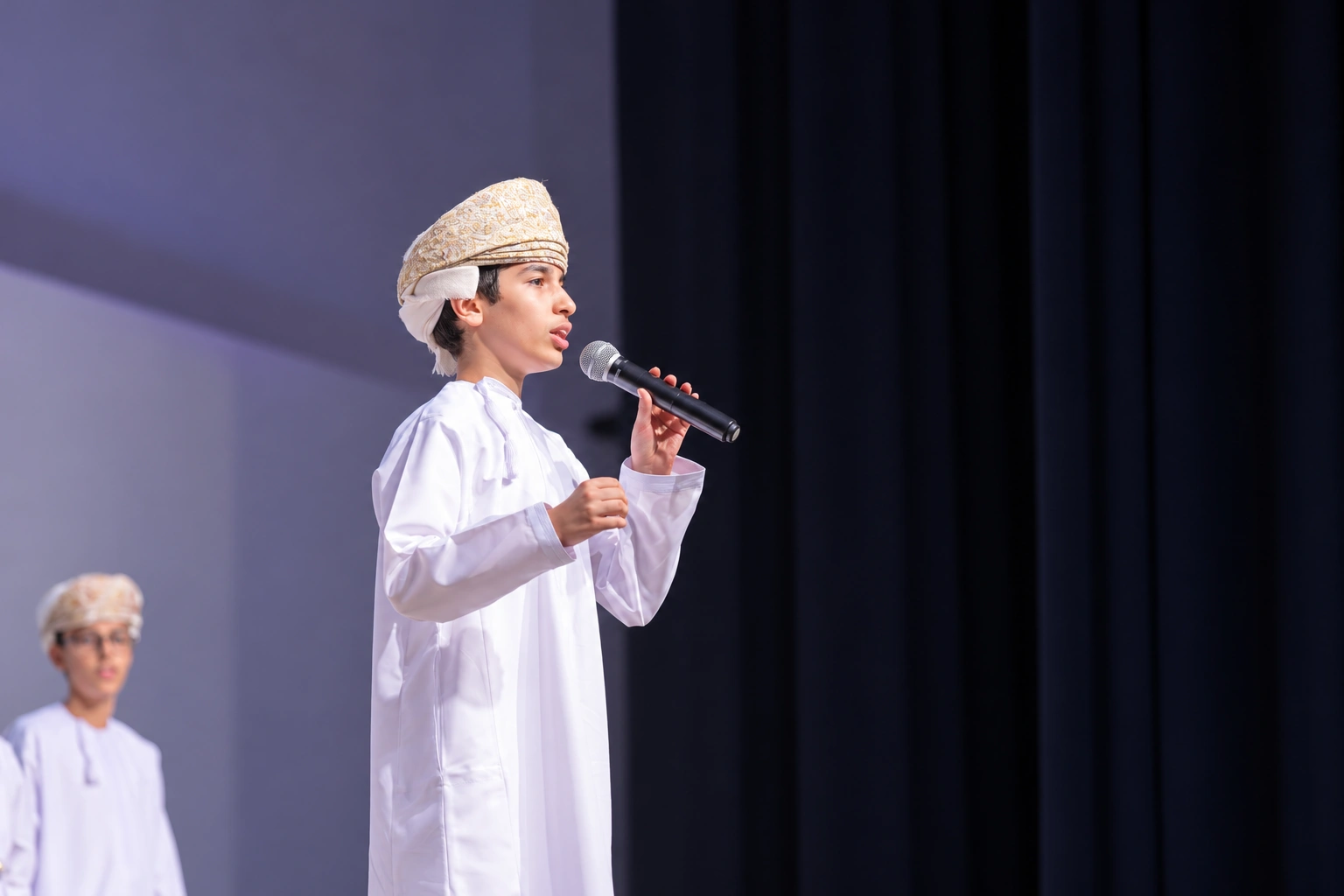
Teachers do more than explain content and check finished work. They listen to questions, observe how pupils approach an idea and use prompts, discussion and feedback to help thinking move forward. Sometimes a pupil needs a clear explanation. At another moment, the most useful question may be:
What makes you think that?
The aim is to give pupils guidance without doing all of the thinking for them.
Is there another way to approach it?
What changed after you looked again?
Parent Questions
Frequently asked questions.
Which Elementary grades does Al Fasaha offer?
Al Fasaha currently offers an Elementary journey from Grade 1 through Grade 8.
Where is Al Fasaha Elementary School?
Al Fasaha Private School is in Al Khoudh, Muscat, Sultanate of Oman.
Are Elementary classes small?
Speak directly with the A.F.S team for details about Elementary class sizes.
How does Elementary change from Grade 1 to Grade 8?
Across the grades, learning moves from close guidance towards deeper investigation, clearer expression and greater independence.
Does Al Fasaha provide individual learning support?
Teachers provide guidance and structure while giving children increasing space to make decisions and take responsibility. Speak directly with the A.F.S team about your child’s individual learning needs.
What subjects are taught in each Grade?
Explore the level that is relevant to your child, or speak directly with the A.F.S team for details about subjects in each Grade.
Visit A.F.S
Explore Your Child’s Grade
Every Grade brings a different stage of the Elementary journey. Explore the level that is relevant to your child to understand what changes as pupils grow, or speak directly with the A.F.S team if you would like help identifying the right next step.
