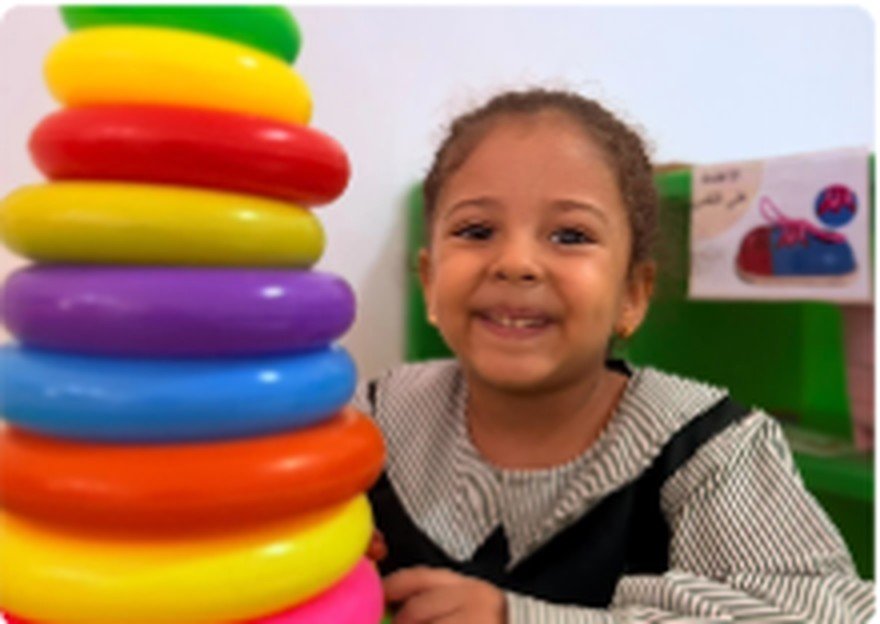
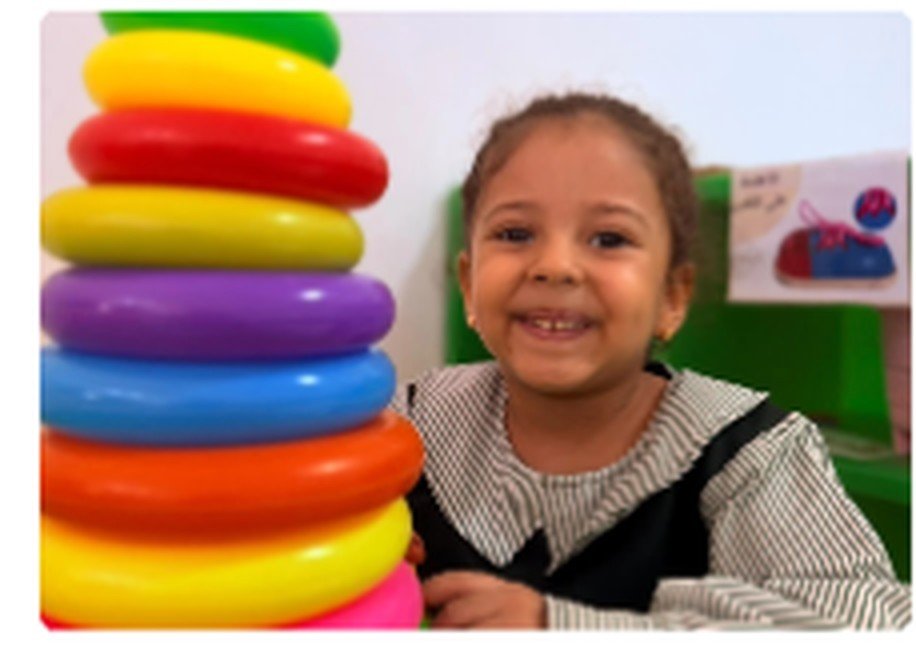
Our KG1 curriculum is designed around young children’s natural curiosity and growing confidence.
In Kindergarten 1, children begin building early language, mathematical thinking and ways to express ideas through conversation, play, making, observing and working with others.
KindergartenKG1 / Learning in action
How Children Learn
How Children Learn in Kindergarten 1
In Kindergarten 1, children learn through experiences that invite them to talk, notice, count, compare, make, represent and revisit their ideas.
01 / EARLY LANGUAGE
Early Language and Communication
Children develop language through conversation, listening, stories, questions and shared experiences. Teachers create opportunities for children to speak, listen to others, describe what they notice and build confidence in communicating their ideas.
02 / EARLY MATHS
Early Maths Through Everyday Experiences
Counting, sorting, comparing, recognising patterns and noticing quantities can happen throughout the day. Children begin to use mathematical thinking through materials, routines, play and practical experiences.
03 / EXPRESSION
More Than One Way to Express an Idea
Children can communicate thinking in many ways: through words, drawing, movement, construction, arranging materials and imaginative play. Different forms of expression give teachers more ways to understand what a child is thinking.
The Learning Environment
A Kindergarten Classroom Designed for Curiosity
A Kindergarten classroom should make children want to notice, touch, compare, ask and try. Materials are part of the learning environment, not simply decoration, and the classroom can change as children’s interests and questions develop.
Accessible Materials
Children can see, choose and return to materials with growing independence.
Visible Thinking
Children’s questions, drawings and work can become part of the classroom environment.
Room to Revisit
Ideas are given time to develop instead of ending when one activity is finished.
From Guidance to Independence
The KG1 learning relationship
01 / TEACHER ROLE
What Is the Teacher's Role in Kindergarten 1?
The teacher is a listener, observer and facilitator. Children need thoughtful guidance, but they also need space to try, wonder and make meaning for themselves. The child’s thinking matters, not only the final result.
A useful question is often more valuable than giving the answer too quickly.
02 / INQUIRY
From an Interest to a Learning Experience
A small observation or question can become the beginning of deeper exploration. Children may discuss an idea, test it, draw it, build something, compare what happened and return to the question in a new way.
03 / PARTICIPATION
Building Confidence Through Choice and Participation
Confidence grows when children are trusted to participate. Small choices, opportunities to share an idea and familiar routines help children become more comfortable taking part in classroom life.
There is not one “right” way for every child to participate.
For Parents
What Should Parents Look for in a Kindergarten?
01
Active Learning
Look for children who are doing, talking, trying, making and participating rather than only receiving information.
02
Thoughtful Teacher Guidance
Good guidance is visible in the questions teachers ask, the way they observe children and how they know when to support or step back.
03
A Purposeful Environment
The classroom should invite children to notice, choose, revisit ideas and interact with materials in meaningful ways.
Parent Questions
Kindergarten 1 FAQs
What does learning look like in Kindergarten 1?
Learning includes conversation, early language and maths experiences, practical exploration, making, movement and opportunities to participate with others.
How do teachers support children who are still settling in?
Teachers use familiar routines, observation and personal attention to understand how each child participates and where extra reassurance or guidance may be useful.
Is play part of learning in Kindergarten 1?
Yes. Play, materials, conversation and guided experiences can all create opportunities for children to explore ideas and build understanding.
Can parents visit the Kindergarten before making a decision?
Yes. Visiting the school gives families a clearer sense of the environment, classroom routines and the way children learn at A.F.S.
Visit Our Kindergarten in Al Khoudh
Come see Kindergarten 1 in action.
See the classroom, meet the team and ask how the Kindergarten 1 experience supports your child’s confidence, participation and early learning.