
Elementary / Grade 08

ELEMENTARY · GRADE 8
Grade 8 at Al Fasaha Private School
Taking Greater Ownership of Learning
Grade 8 gives pupils more opportunities to make thoughtful decisions about how they approach, develop and review their work.
Teacher guidance remains an important part of learning, but pupils can increasingly take responsibility for deciding what needs attention, where an idea needs strengthening and when a different approach may be more effective.
For families considering a Grade 8 private school in Muscat, this stage is about developing learners who can think with greater independence while still knowing when to question, seek guidance and reconsider a decision.

02 How Children Learn
How Children Learn in Grade 8
By Grade 8, pupils can begin managing a larger part of the thinking process for themselves.
Instead of waiting for every step to be defined, they can consider the purpose of a task, decide what information may be useful and think about how their work should be organised.
They can also examine the quality of the information they use, compare possible approaches and consider whether their conclusion is supported strongly enough.
Reflection becomes increasingly important.
A finished piece of work is not necessarily finished thinking. Pupils can return to an idea after feedback, discussion or new information and decide what deserves to change.
Teachers continue to introduce knowledge, clarify complex ideas and provide structure, while encouraging pupils to take increasing responsibility for planning, judgement and improvement.
Planning an Approach with Purpose
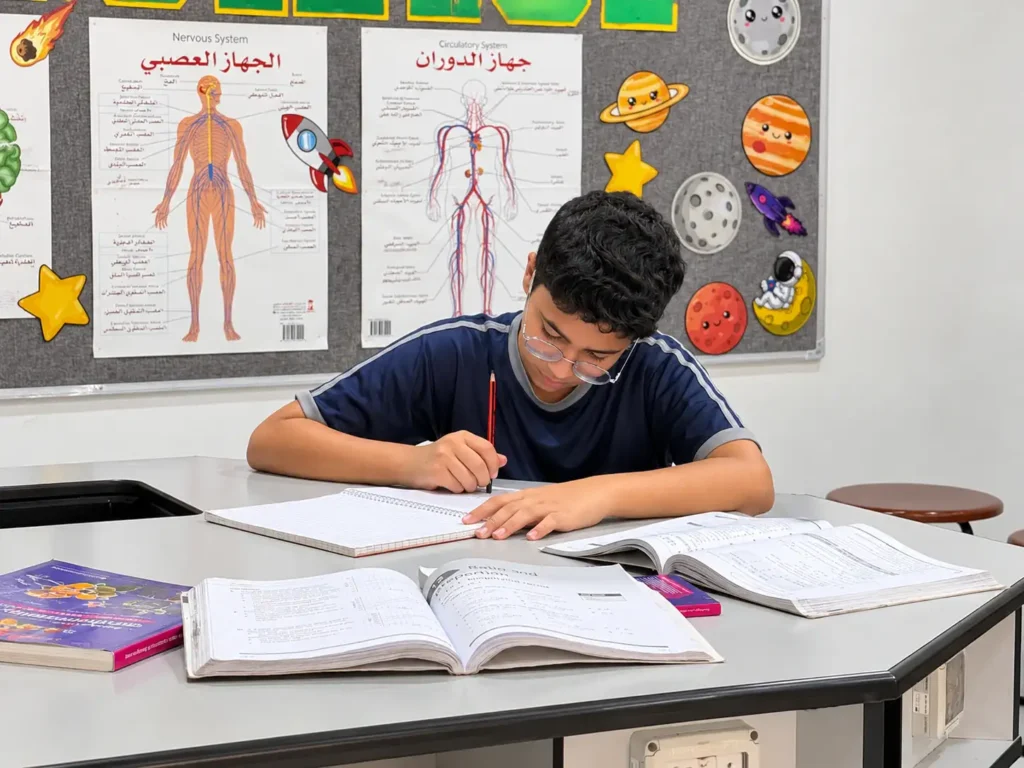
Grade 8 pupils can increasingly think about an approach before beginning the work.
They may consider what the question is really asking, which information will be useful and what steps could help them reach a well-supported conclusion.
Planning does not mean knowing every answer in advance.
It means beginning with a clearer sense of purpose rather than simply starting and waiting to see what comes next.
Making Judgements from Information
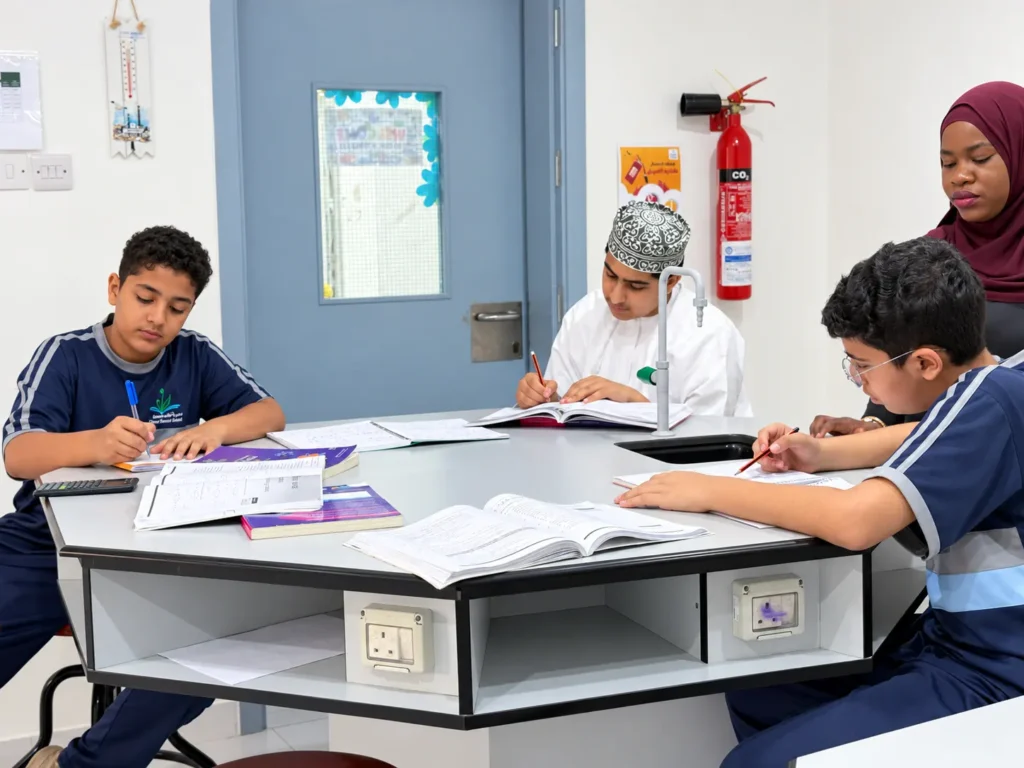
As pupils work with more complex ideas, simply collecting information becomes less useful.
They need to decide what matters.
Grade 8 pupils can compare information, consider relevance and identify which evidence gives stronger support to a conclusion.
They can also recognise uncertainty and understand that a responsible judgement sometimes involves acknowledging what the available information cannot fully answer.
Reviewing and Improving Their Own Work
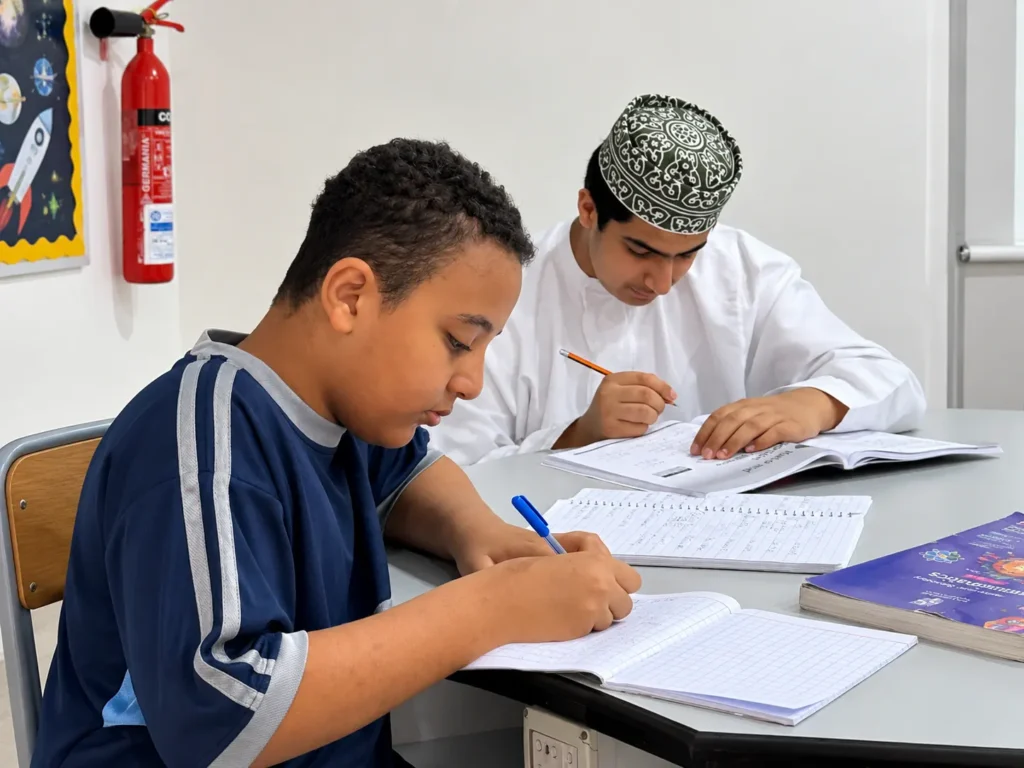
Older pupils can increasingly become participants in evaluating their own work.
They can ask whether an explanation is clear, whether the evidence actually supports the conclusion and whether another approach might have produced a stronger result.
The aim is not perfection.
It is helping pupils develop the habit of recognising that thoughtful work can often be strengthened through another look.
03 The Learning Process
From a Question to an Independent Judgement
A Grade 8 learning experience can ask pupils to make decisions throughout the process rather than only provide a response at the end.
Imagine pupils are examining a question for which several explanations or solutions seem possible.
They may begin by deciding what they need to understand, identifying useful information and comparing different approaches.
As the investigation develops, pupils might discover that some information is more relevant than they expected while other details contribute very little.
They can discuss their reasoning, challenge one another’s assumptions and return to their original position.
The final step is not simply choosing an answer.
It is being able to explain why that judgement was made, what supports it and what might cause it to change.
01 —
Plan
Define the purpose and decide what information, approach or process may be useful.
02 —
Judge
Evaluate what has been discovered and reach a conclusion that can be explained.
03 —
Reflect
Look back at both the outcome and the process and decide what could be strengthened.
04 Teacher Guidance
The Teacher's Role in Grade 8
Greater independence does not mean less meaningful teaching.
Grade 8 pupils still benefit from teachers who explain clearly, introduce new knowledge and recognise when a concept needs further clarification.
What changes is the balance of responsibility.
Teachers can increasingly ask pupils to make decisions before providing the next step.
Questions might include:
“Why did you choose this approach?”
“Which evidence carries the most weight?”
“What would you change if you approached this again?”
These prompts encourage pupils to examine both the quality of their conclusions and the decisions that led to them.
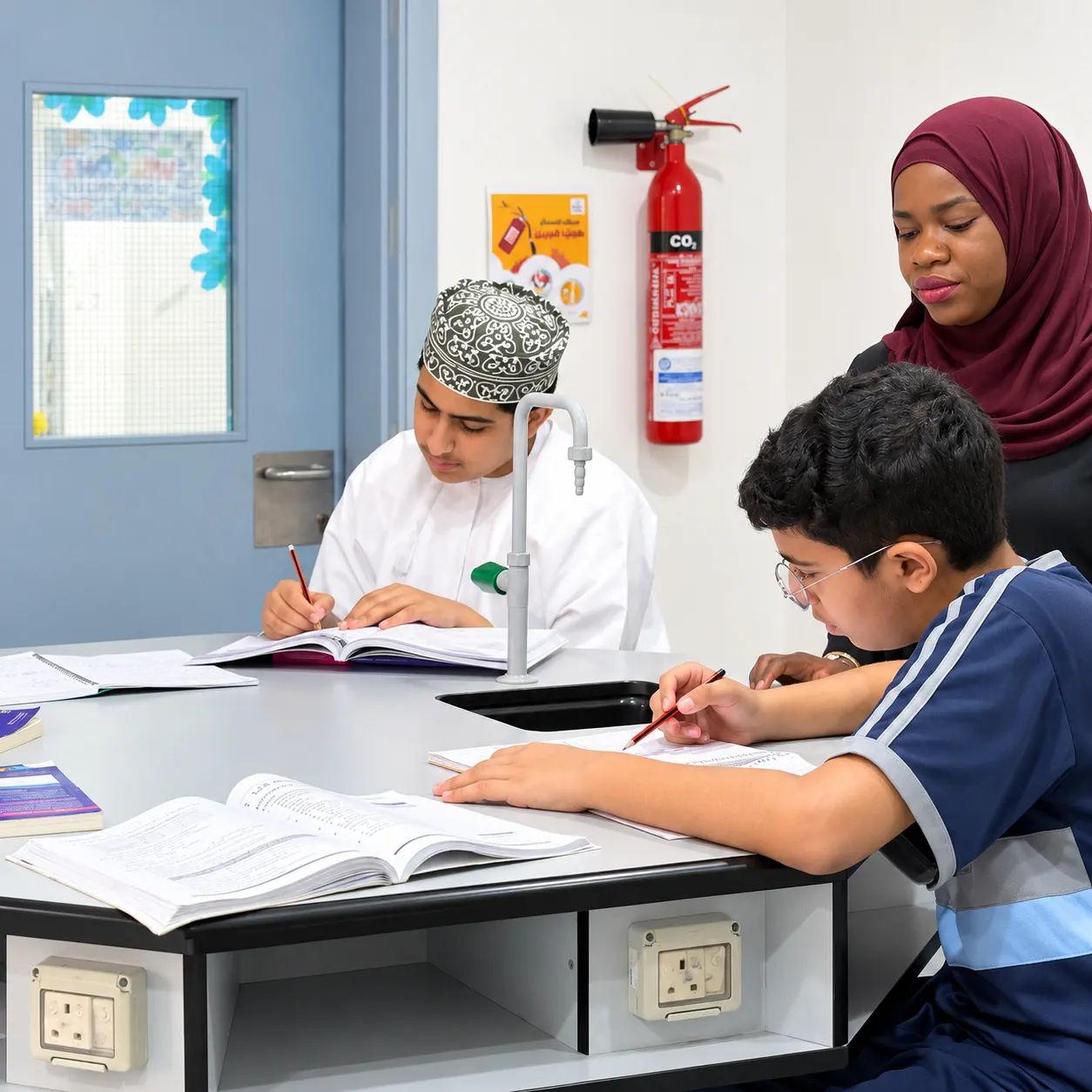
The teacher remains a source of guidance, challenge and feedback while giving pupils increasing space to think through appropriate decisions for themselves.
05 The Learning Environment
A Classroom for More Independent Thinking
A Grade 8 learning environment should reflect the growing maturity of the pupils using it. Resources should help pupils research, compare, discuss and return to ideas rather than simply provide decoration.
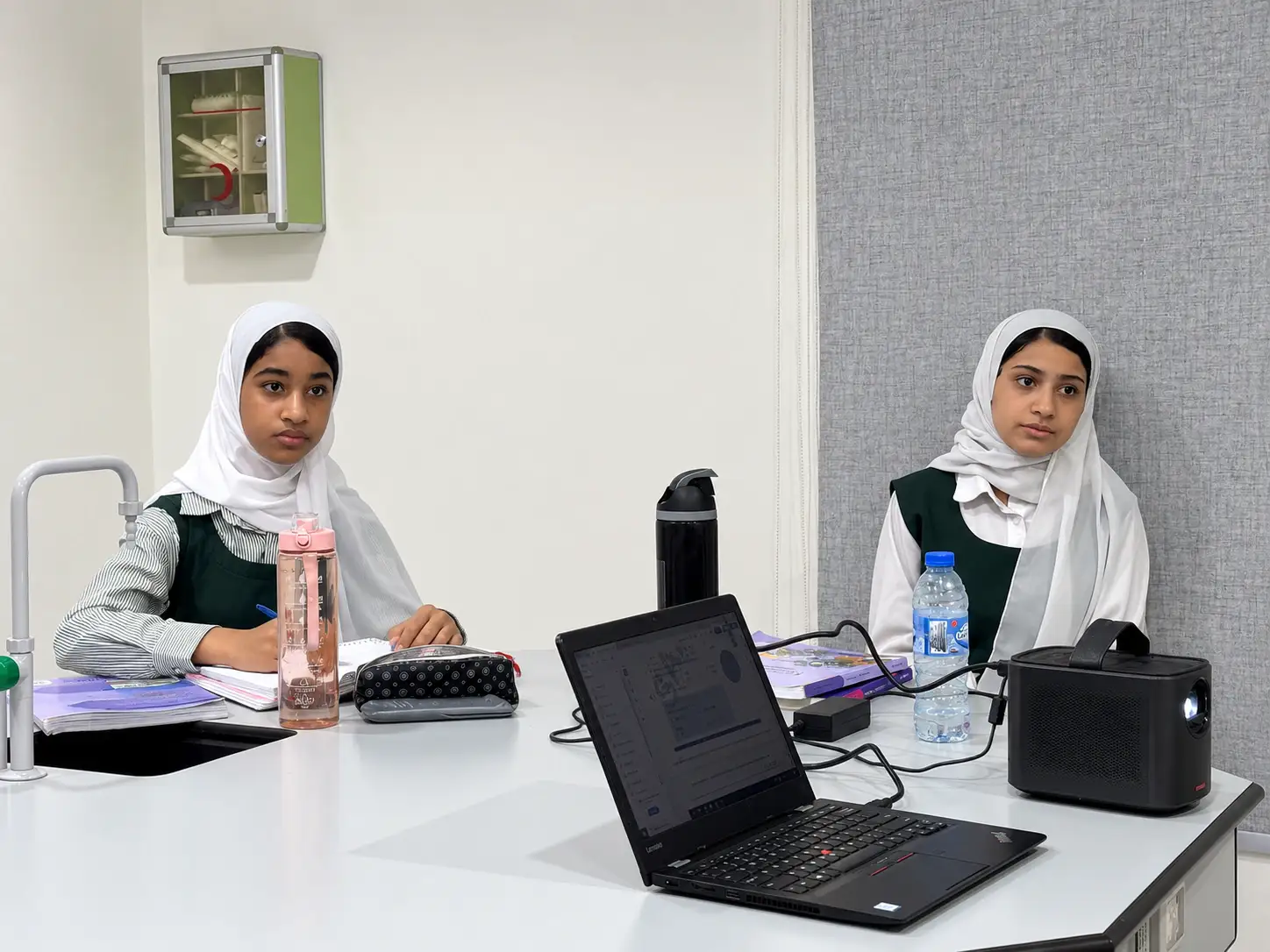
Previous work, reference materials, visual information and different examples can become tools pupils use independently when they need to strengthen an idea.
The classroom can also provide space for discussion and shared problem-solving, where pupils are expected to contribute thoughtfully and respond to the reasoning of others.
At this stage, the environment should communicate a simple expectation:
Your thinking matters and you are increasingly responsible for what you do with it.
06 Growing Independence
Taking Ownership of the Learning Process
By Grade 8, independence can involve managing more of the learning process without depending on step-by-step direction.
That does not mean pupils should work without support.
It means they can increasingly recognise when they can move forward independently and when asking for clarification is the more responsible choice.
The progression might look like:
01 —
Plan
Set a clear direction and decide how to approach the work.
02 —
Monitor
Check progress, identify difficulties and make changes when necessary.
03 —
Evaluate
Judge both the final outcome and the quality of the process used to reach it.
These habits move pupils beyond asking:
“What does the teacher want me to do?”
towards questions such as:
“What am I trying to achieve?”
and
“Is my approach working?”
07 Personal Attention
Personal Attention in Grade 8
Older pupils may appear more independent, but individual guidance still matters.
One pupil may have strong ideas but need support organising them into a clear argument. Another may work confidently yet overlook weaknesses in the information being used. Someone else may understand the material but need encouragement to participate more fully in discussion.
Many A.F.S classes are intentionally small, giving teachers more opportunities to recognise these differences and respond with appropriate guidance or challenge.
For parents considering a Grade 8 school in Al Khoudh, personal attention at this stage is not about reducing independence.
It is about helping pupils use that independence more effectively.
08 For Parents
What Should Parents Look for in a Grade 8 Classroom?
By Grade 8, the quality of learning should be visible not only in what pupils know but in how they approach unfamiliar questions.
Are pupils planning before they begin?
Older learners should increasingly think about purpose and approach rather than rely entirely on step-by-step instruction.
Can they evaluate information?
Pupils should be able to distinguish between information that is merely available and information that is genuinely useful.
Can they explain their judgement?
A conclusion should increasingly be supported by clear reasoning.
Are pupils able to reflect on their work?
Thoughtful learners should recognise that finished work can still be reviewed and improved.
Do they know when to ask for help?
Independence includes recognising when clarification or another perspective is needed.
09 Parent Questions
Grade 8 FAQs
What is learning like in Grade 8 at A.F.S?
Grade 8 combines teacher guidance with increasing pupil responsibility for planning, evaluating information, making reasoned decisions and reflecting on the quality of their work.
How is Grade 8 different from Grade 7?
Grade 7 focuses strongly on evaluating information, comparing perspectives and defending a position. In Grade 8, pupils increasingly take ownership of the wider process by planning their approach, monitoring progress and reviewing their own decisions.
How does Grade 8 encourage independence?
Pupils can take increasing responsibility for organising work, selecting useful information, making decisions and identifying where their approach may need improvement.
Do Grade 8 pupils work collaboratively?
Learning can include discussion, shared investigation and comparison of different interpretations, allowing pupils to test their reasoning and learn from the perspectives of others.
Are Grade 8 classes small?
Many A.F.S classes are intentionally small. Families can ask about the current Grade 8 class size when contacting the school.
Where is Al Fasaha Grade 8?
Al Fasaha Private School is located in Al Khoudh, Al Seeb, Muscat, Oman.
Visit Grade 8 at Al Fasaha
Grade 8 is easier to understand when you can see how pupils think, participate and take responsibility within the learning environment.
If you are considering Grade 8 in Al Khoudh, Muscat, visit Al Fasaha, explore the school and speak with our team about the Grade 8 learning experience.