
Elementary · Grade 3
Grade 3 at Al Fasaha Private School
Turning Questions into Thoughtful Investigation
Grade 3 gives children more opportunities to move from asking questions towards investigating them with greater purpose.
At Al Fasaha Private School in Al Khoudh, Muscat, pupils are encouraged to gather information, compare what they notice, organise ideas and explain what supports their thinking.
Teacher guidance remains an important part of the learning process, but children begin taking greater responsibility for how they approach a question, what they notice and how they communicate what they have discovered.
For families considering a Grade 3 private school in Muscat, this stage is about helping children become more deliberate learners — curious enough to ask, patient enough to investigate and confident enough to explain.
Elementary · Grade 3Investigation in action
How Children Learn
How Children Learn in Grade 3
By Grade 3, a question can lead to a more sustained learning experience.
Children can begin looking beyond their first response by gathering information, identifying patterns and considering whether what they discover supports their original idea.
A classroom discussion might lead to closer observation. A text, image, object or practical experience might introduce new information. Pupils can then organise what they have found and decide which details matter most.
Teachers provide explanation, structure and useful prompts while encouraging pupils to take a more active role in making sense of information.
The aim is not simply to find more facts. It is to help children begin understanding how information can be used to develop and support an idea.
01 / Investigate
Investigating a Question More Deeply
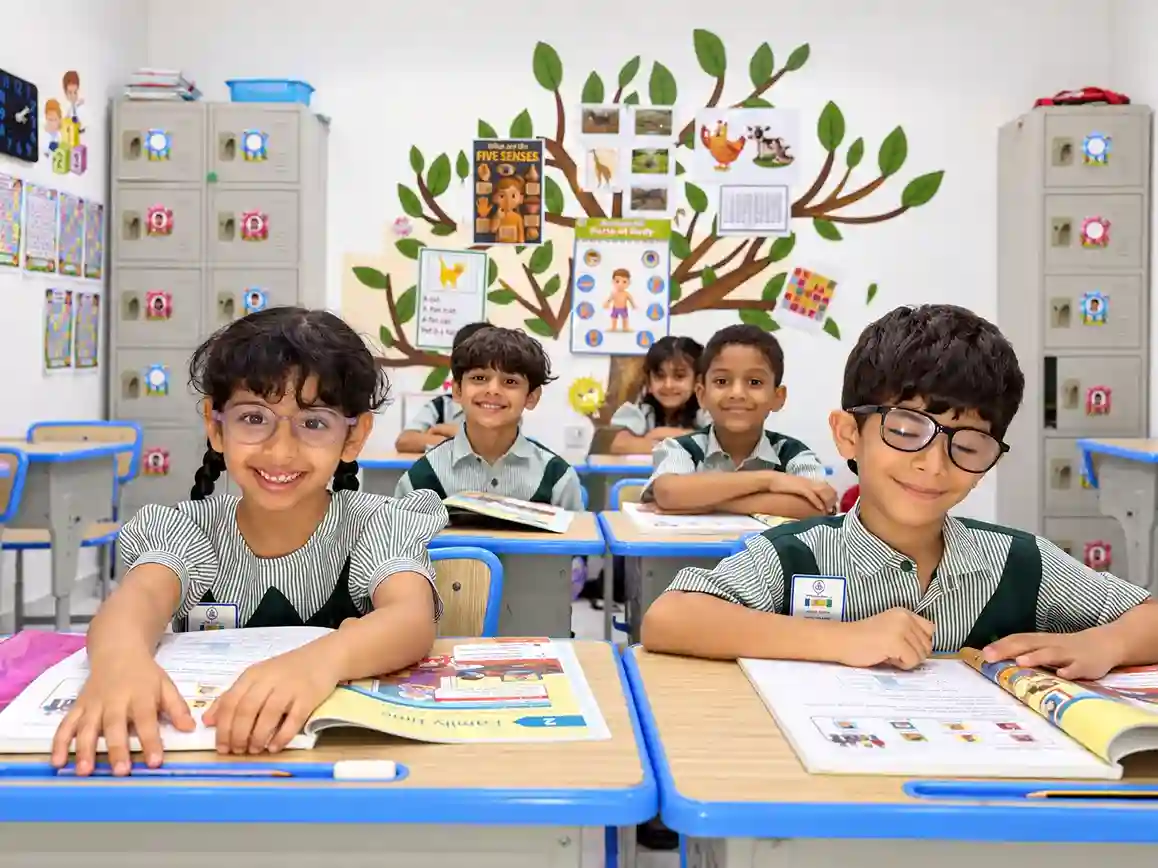
Grade 3 pupils can begin staying with a question for longer instead of moving directly from task to answer.
They may observe, read, compare, discuss or test possibilities before reaching a conclusion.
This gives children opportunities to discover that a useful question can sometimes lead to several smaller questions — and that investigation may change what they first expected to find.
02 / Organise
Organising Information to Make Sense of It
Finding information is only part of learning. Children also need ways to make sense of what they find.
Grade 3 pupils can begin grouping related ideas, identifying important details and separating useful information from things that may not answer the question.
Drawing, note-making, discussion, simple diagrams and other forms of representation can help make connections easier to see.
03 / Support
Supporting Ideas with What They Discover
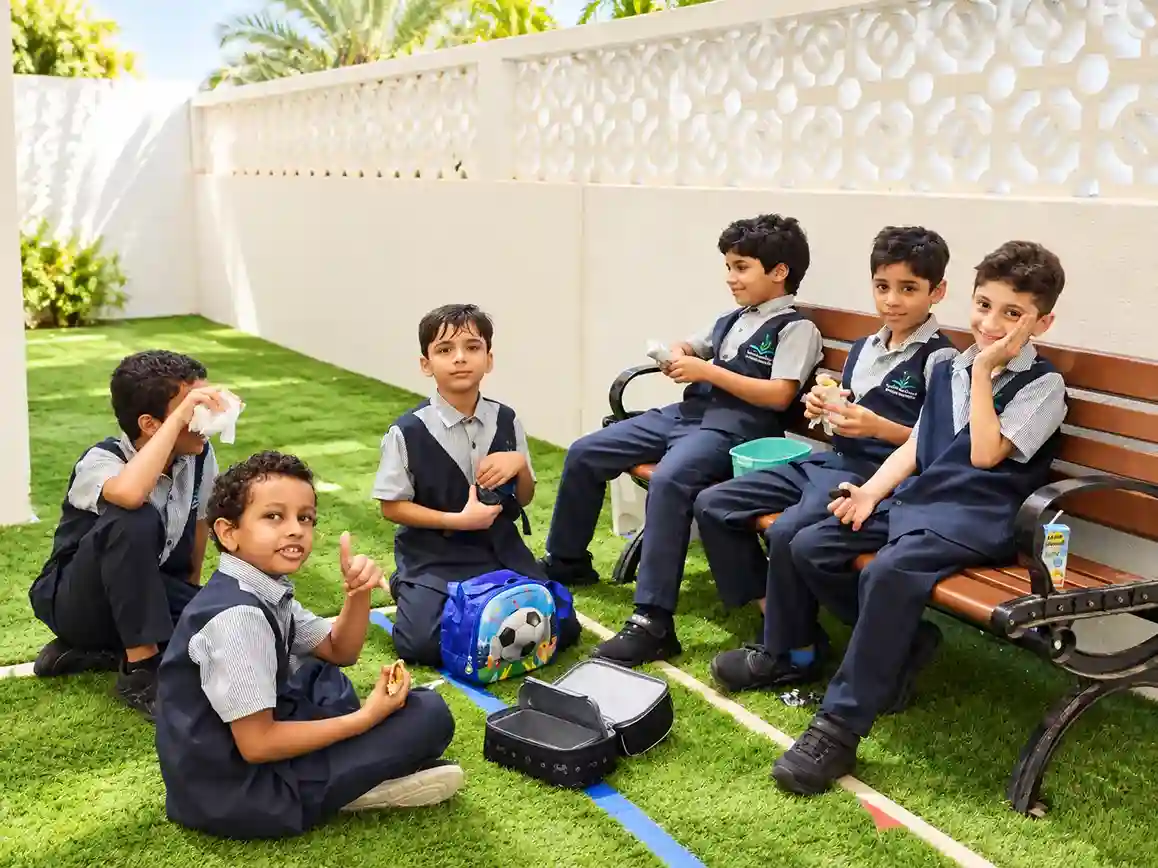
As children’s explanations develop, they can begin thinking about what supports an idea.
Instead of only saying, “I think this,” pupils can be encouraged to point to something they observed, read, compared or discovered.
This is an early step towards using evidence thoughtfully: connecting an explanation to something that gives the explanation a reason.
From a Question to an Investigation
Questions become stronger when children know what to look for.
A meaningful investigation can begin with an ordinary classroom question.
Imagine pupils notice that some materials behave differently when used in the same task.
Rather than immediately explaining the difference, a teacher might invite children to predict what will happen, decide what they should observe and compare the results.
Pupils could record what they notice, organise the information, discuss differences between their predictions and observations, and consider whether another attempt might help them understand more.
The value is not only in reaching a conclusion.
The process connects questioning, observation, organisation, discussion, reasoning and reflection — helping pupils understand how an idea can develop through investigation.
01
Ask and Predict
Children begin with a question and consider what they think might happen.
02
Observe and Organise
They gather useful information and arrange it in a way that makes patterns or differences easier to notice.
03
Explain with Evidence
Pupils return to the original question and use what they discovered to explain whether their thinking changed.
Teacher Guidance
The Teacher’s Role in Grade 3
“What did you find that supports your idea?”
“Which information is most useful here?”
“Did anything change what you first thought?”
As investigations become more detailed, teacher guidance helps children stay focused without removing responsibility from them.
Teachers can introduce knowledge, clarify misunderstandings and model useful ways to approach information.
They can also use questions that encourage pupils to look more carefully.
These questions begin shifting attention from simply producing an answer towards understanding how an answer was reached.
The goal is not for children to work without support. It is for teacher guidance to help pupils become more capable of organising and explaining their own thinking.
The Learning Environment
A Classroom That Makes Thinking Visible
Grade 3 pupils increasingly benefit from being able to see how ideas develop over time.
A classroom can support this through books, reference materials, pupil work, visual information and materials connected to current learning.
Children may return to earlier notes, compare different solutions or look again at something they created after learning something new.
Displaying only finished work tells part of the story.
A purposeful learning environment can also make room for questions, working ideas and the process of improvement, showing children that learning develops rather than appearing complete from the beginning.
Growing Independence
Growing Independence Through Organisation
Independence in Grade 3 begins to involve more than choosing how to complete one part of a task.
Pupils can gradually take greater responsibility for organising the learning process itself.
These habits help children become more deliberate in the way they work.
Instead of relying on the teacher for every next step, pupils begin asking themselves “What information do I need?” and “What does what I found actually show?”
01
Plan
Understand the question and consider what information or materials may be useful.
02
Organise
Keep ideas, observations or information clear enough to return to and compare.
03
Review
Look again at the work and decide whether the explanation answers the original question.
Personal Attention
Personal Attention in Grade 3
As learning becomes more complex, children may need support in different places.
One pupil may have strong ideas but find it difficult to organise them. Another may collect information carefully but need encouragement to explain what it means. A quieter child may understand the task but need more opportunity to contribute during discussion.
Many A.F.S classes are intentionally small, giving teachers more opportunities to notice these differences and respond with questions, explanation or additional guidance where it is useful.
For parents looking for a Grade 3 school in Al Khoudh or a private elementary school in Muscat, personal attention matters because progress is not only about completing work. It also involves understanding how a child approaches, organises and communicates learning.
Personal attention means noticing how pupils approach, organise and communicate learning.
For Parents
What Should Parents Look for in a Grade 3 Classroom?
By Grade 3, parents can begin looking more closely at what children do with information, not only how much work they complete.
01
Are pupils encouraged to investigate questions?
Children should have opportunities to look beyond the first answer and explore an idea in greater depth.
02
Do they organise what they discover?
Learning should help pupils identify useful information and see connections between different pieces of an idea.
03
Are children asked to explain their reasoning?
A strong answer should increasingly include some explanation of how the child reached it.
04
Can pupils reconsider earlier thinking?
Discovering something new should sometimes lead children to adjust, strengthen or question their first idea.
05
Is independence developing gradually?
Grade 3 pupils still need teacher support, but they can begin taking more responsibility for planning, organising and reviewing parts of their learning.
Parent Questions
Grade 3 FAQs
What is learning like in Grade 3 at A.F.S?
Grade 3 combines structured teacher guidance with opportunities for pupils to investigate questions, organise information, discuss ideas and explain their thinking more clearly.
How is Grade 3 different from Grade 2?
Grade 2 places greater emphasis on connecting and comparing ideas. In Grade 3, pupils begin carrying questions further by gathering information, organising what they discover and using it to support an explanation.
How does Grade 3 support independent learning?
Children can gradually take more responsibility for planning parts of a task, organising information and reviewing whether their work answers the original question.
Do Grade 3 pupils work collaboratively?
Shared learning can include discussion, comparison of findings and collaborative investigation, allowing children to learn from different approaches and perspectives.
Are Grade 3 classes small?
Many A.F.S classes are intentionally small. Parents can ask about the current Grade 3 class size when contacting the school.
Where is Al Fasaha Grade 3?
Al Fasaha Private School is located in Al Khoudh, Al Seeb, Muscat, Oman.
Visit Grade 3 at Al Fasaha
See how questions, guidance and pupil thinking come together.
A Grade 3 classroom is easier to understand when you can see how questions, teacher guidance and pupil thinking come together.
If you are considering Grade 3 in Al Khoudh, Muscat, visit Al Fasaha, explore the school environment and speak with our team about the Grade 3 learning experience.
