Elementary · Grade 4
Grade 4 at Al Fasaha Private School
Making Connections Across Learning
Grade 4 gives pupils more opportunities to connect ideas rather than experience each lesson as something separate.
Teacher guidance continues to provide structure, knowledge and support, while pupils gradually take greater responsibility for making connections, organising their approach and reviewing what they have learned.
For families considering a Grade 4 private school in Muscat, this stage focuses on helping children become more thoughtful about how knowledge fits together and how it can be used.
Elementary · Grade 4Connecting ideas
How Children Learn
How Children Learn in Grade 4
By Grade 4, learning can begin to move beyond understanding one idea at a time.
Pupils can be encouraged to recognise connections between previous experiences and new questions. Something learned earlier may help explain a new situation, solve a problem or suggest another way to investigate.
Children can compare approaches, apply familiar ideas in unfamiliar contexts and consider whether what worked once will work again.
Teachers still provide direct explanation and clear guidance where needed. The difference is that pupils can increasingly be asked to decide which knowledge may be useful and explain how different ideas relate.
The goal is to help children move from simply remembering what they have learned towards using, connecting and reflecting on it.
01 / Connect
Connecting Ideas Across Experiences
Learning becomes stronger when children can recognise that an idea from one experience may help them understand another.
Grade 4 pupils can be encouraged to ask: “Have I seen something like this before?”
An earlier observation, discussion or piece of knowledge may provide a useful starting point.
Making these connections helps pupils begin building a broader understanding instead of treating each activity as an isolated piece of information.
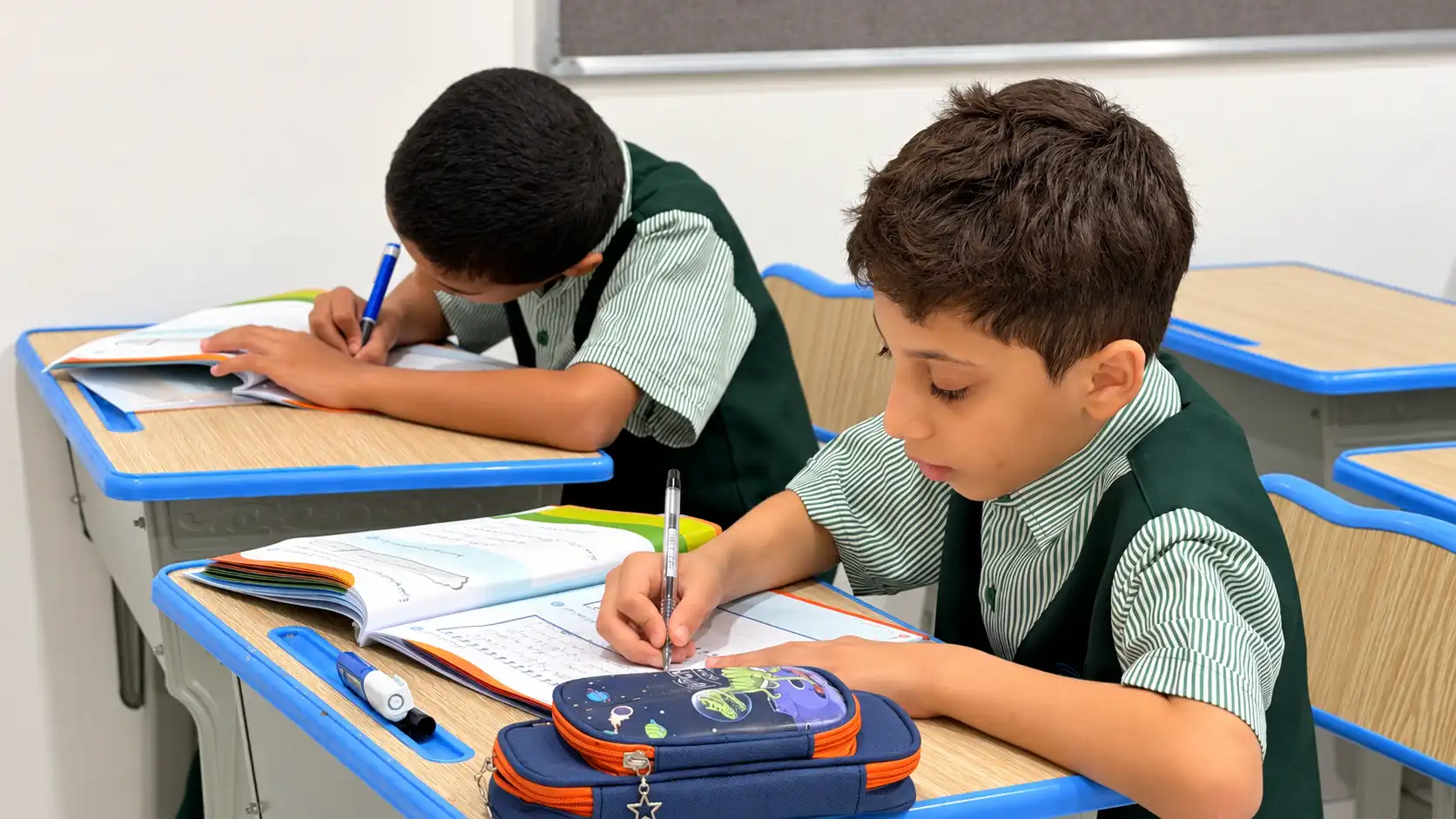
02 / Apply
Applying Understanding in a New Situation
Knowing an idea and being able to use it are not always the same thing.
In Grade 4, pupils can have opportunities to take something they already understand and apply it in a different context.
They may need to adjust their approach, decide which information matters or recognise that a familiar strategy does not work in exactly the same way.
Application gives children an opportunity to test the depth of their understanding.
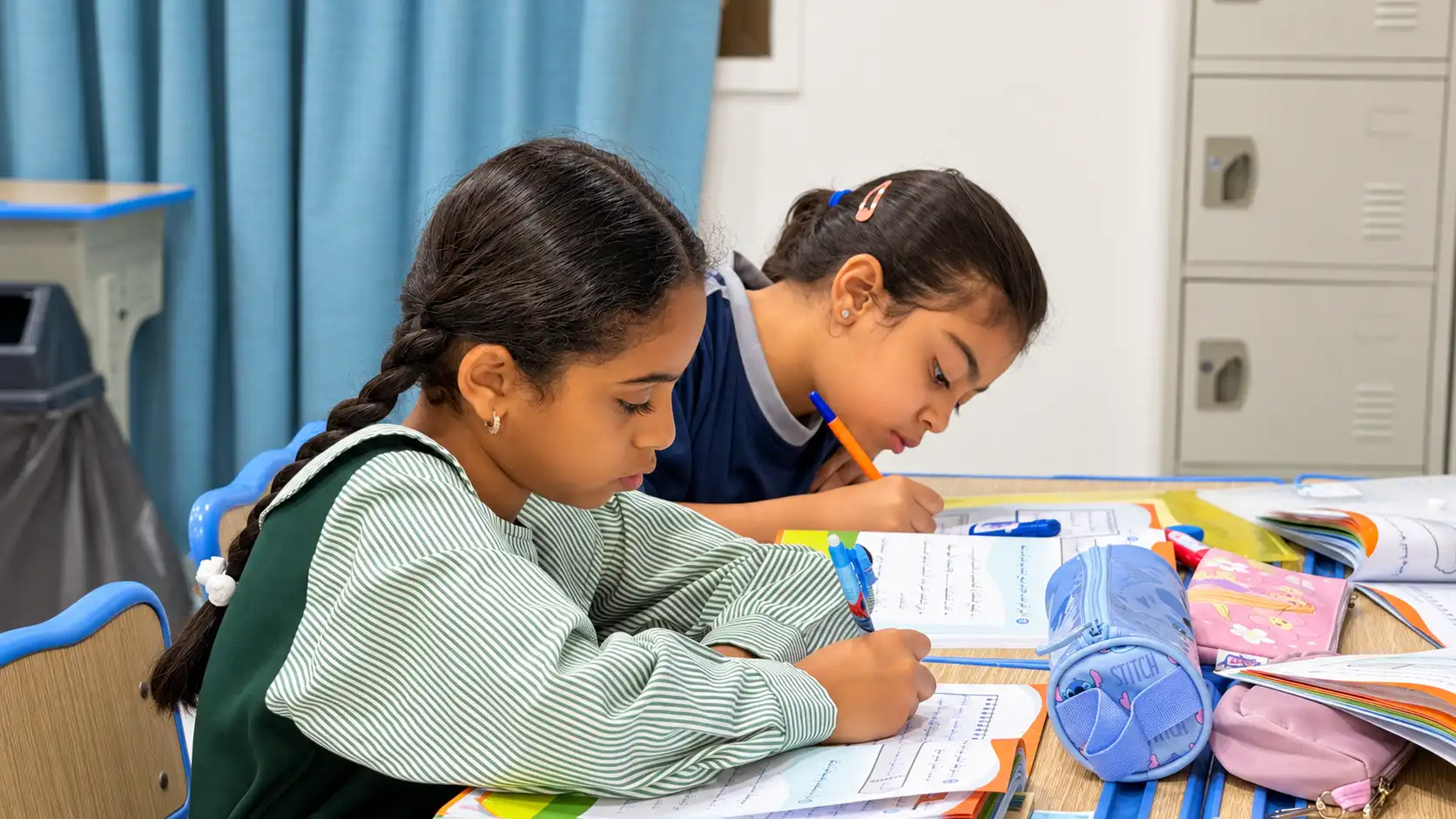
03 / Reflect
Reflecting on What Worked
Completing a task does not have to be the end of the learning process.
Grade 4 pupils can begin looking back at the choices they made and considering what helped, what was difficult and what they might change next time.
Reflection encourages children to pay attention not only to the final result but also to the decisions that produced it.
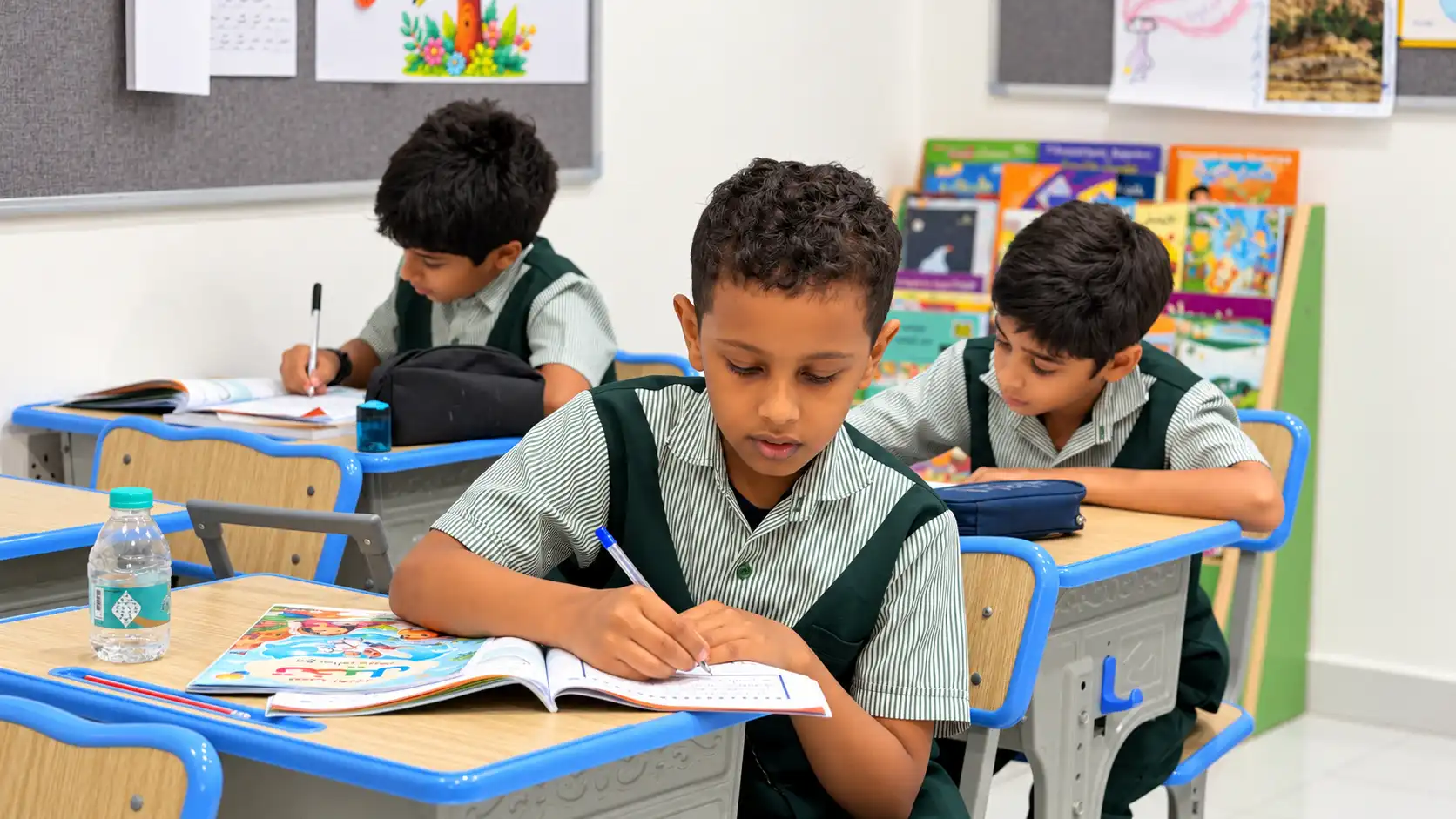
From One Idea to a Wider Understanding
Learning grows when pupils connect, apply and reflect.
A learning experience can become more meaningful when children are encouraged to connect it with something they already know.
Imagine pupils are exploring why a particular solution works in one situation but not another.
Rather than giving the explanation immediately, a teacher might ask children to compare the situations, identify what changed and draw on an earlier experience that could help.
Pupils can discuss possible connections, test an approach, review the outcome and decide whether their original reasoning still makes sense.
What begins as one question can therefore develop into a broader process involving comparison, application, reasoning and reflection.
01
Connect
Pupils identify earlier knowledge or experiences that may be relevant to the new question.
02
Apply
They use that understanding in a different situation and observe what happens.
03
Reflect
Children consider why an approach worked, why it changed or what they would do differently next time.
Teacher Guidance
The Teacher’s Role in Grade 4
“What do you already know that could help here?”
“Where else have you seen this idea?”
“Would the same approach work in a different situation?”
As pupils begin making more connections independently, the teacher’s role becomes increasingly important in helping them think beyond the obvious relationship.
Teachers provide knowledge, clarify concepts and model ways of approaching more demanding questions.
They can also use prompts that encourage pupils to use previous learning instead of waiting for a new set of instructions each time.
The aim is not to reduce teacher guidance. It is to use that guidance to help children become better at recognising and applying connections for themselves.
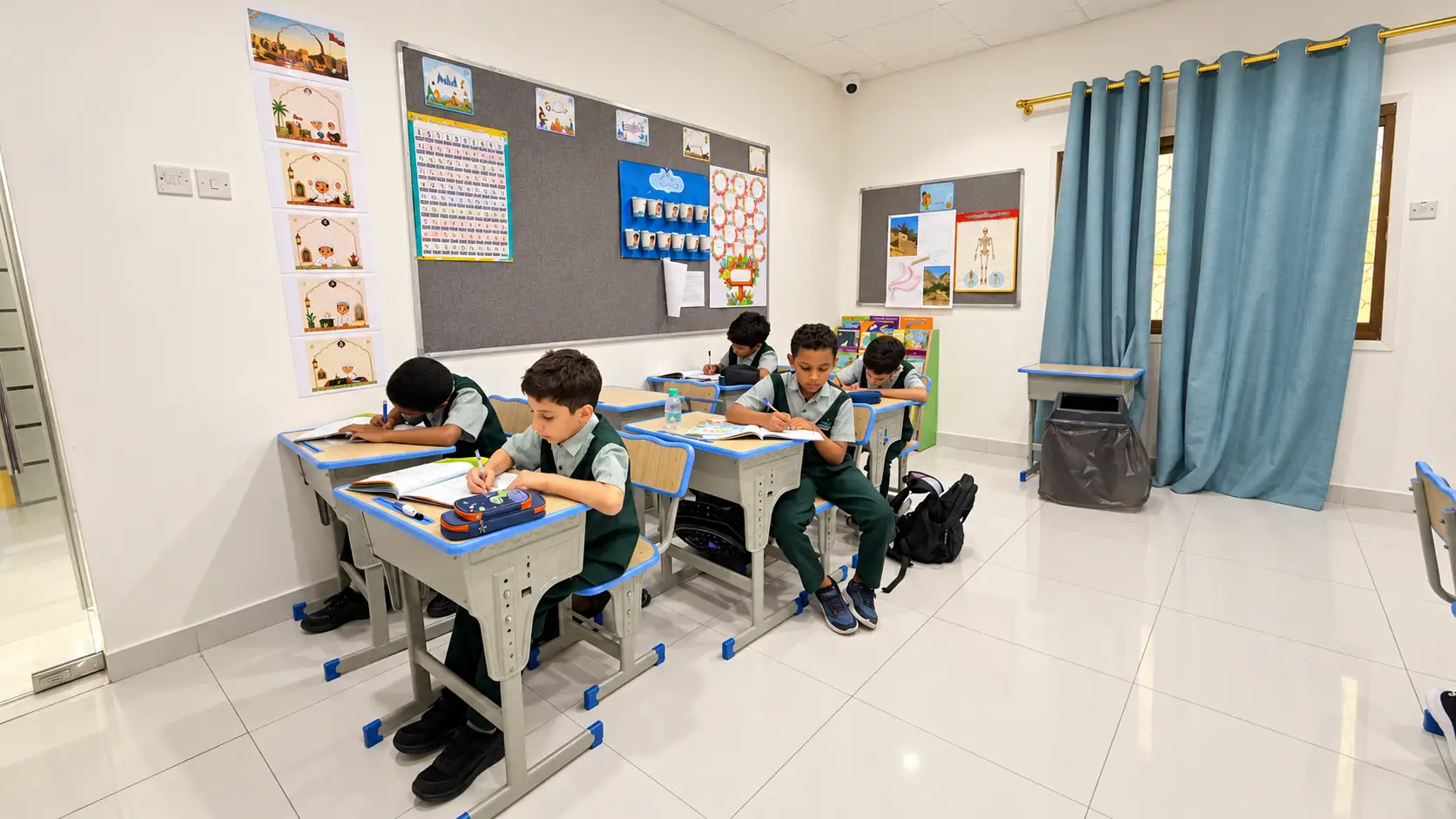
The Learning Environment
A Classroom That Helps Ideas Connect
The learning environment can help pupils see relationships between ideas over time.
Books, pupil work, diagrams, reference materials and other resources can make previous learning available to revisit rather than allowing it to disappear once a task is finished.
A child might return to an earlier piece of work, compare two approaches or recognise that something displayed from a previous investigation relates to a current question.
A purposeful Grade 4 classroom can therefore support continuity. It reminds pupils that learning builds on what came before.
Growing Independence
Growing Independence Through Planning and Reflection
By Grade 4, independence can begin to involve making more deliberate decisions before, during and after a task.
Children may be encouraged to consider not only what they need to do, but how they intend to approach it.
These habits help pupils gradually become more responsible for the learning process itself.
Instead of only asking “Did I finish?”, they begin to consider “Did my approach make sense?” and “What could I improve?”
01
Plan
Identify what is already known and decide on a useful starting point.
02
Apply
Choose and use an approach while paying attention to whether it is working.
03
Reflect
Review the result and consider what should be kept, changed or tried differently.
Personal Attention
Personal Attention in Grade 4
As pupils become more independent, the kind of support they need can become more varied.
One child may understand an idea but struggle to apply it somewhere new. Another may make strong connections but need support explaining their reasoning clearly. A pupil may also need encouragement to slow down, review an approach and notice where their thinking changed.
Many A.F.S classes are intentionally small, giving teachers more opportunities to notice how individual pupils are approaching learning and provide guidance where it can make a difference.
For parents considering a Grade 4 school in Al Khoudh or a private elementary school in Muscat, this means attention can focus not only on completed work but also on the decisions and thinking behind it.
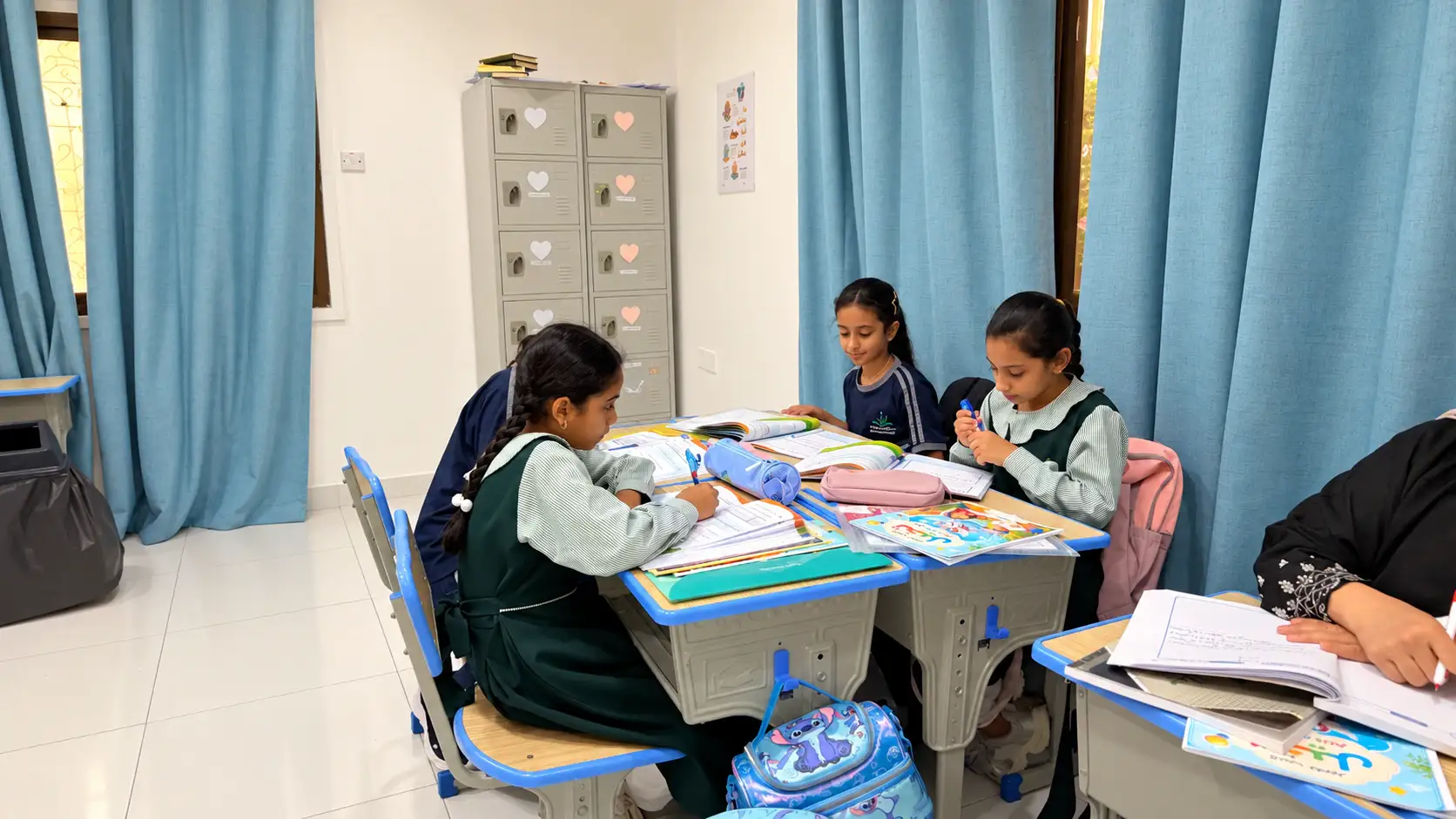
Personal attention means noticing the decisions and thinking behind completed work.
For Parents
What Should Parents Look for in a Grade 4 Classroom?
As children progress through Elementary school, parents can begin looking beyond whether pupils are simply completing more difficult work.
01
Are children connecting new and previous learning?
Pupils should increasingly recognise that earlier knowledge can help them understand new questions.
02
Can they apply an idea in a different situation?
Understanding becomes deeper when children can use what they know rather than only repeat it.
03
Are different approaches discussed?
Children benefit from seeing that the same problem can sometimes be considered in several thoughtful ways.
04
Are pupils encouraged to reflect?
Looking back at an approach helps children recognise what worked and what could be improved.
05
Is responsibility increasing gradually?
Grade 4 pupils should still receive clear teacher guidance while gaining more opportunities to plan, decide and review parts of their own work.
Parent Questions
Grade 4 FAQs
What is learning like in Grade 4 at A.F.S?
Grade 4 combines structured teacher guidance with opportunities for pupils to connect ideas, apply previous learning, consider different approaches and reflect on their decisions.
How is Grade 4 different from Grade 3?
Grade 3 places greater emphasis on investigation, organising information and supporting explanations with what pupils discover. In Grade 4, children increasingly use that understanding to make connections and apply ideas in new situations.
How does Grade 4 develop independence?
Pupils can gradually take greater responsibility for choosing an approach, organising parts of their work and reflecting on whether their decisions were effective.
Do Grade 4 pupils work collaboratively?
Learning can include discussion and shared problem-solving, giving pupils opportunities to compare approaches, explain their reasoning and consider ideas different from their own.
Are Grade 4 classes small?
Many A.F.S classes are intentionally small. Families can ask about the current Grade 4 class size when contacting the school.
Where is Al Fasaha Grade 4?
Al Fasaha Private School is located in Al Khoudh, Al Seeb, Muscat, Oman.
Visit Grade 4 at Al Fasaha
See how pupils use, connect and reflect on ideas.
The best way to understand a learning environment is to see how pupils use ideas, respond to questions and work with teacher guidance in practice.
If you are considering Grade 4 in Al Khoudh, Muscat, visit Al Fasaha, explore the school environment and speak with our team about the Grade 4 learning experience.
