Elementary · Grade 5
Grade 5 at Al Fasaha Private School
Learning to Reason, Discuss and Refine Ideas
Grade 5 gives pupils more opportunities to move beyond having an idea towards explaining and improving it.
Teacher guidance remains important, but pupils can increasingly take responsibility for explaining their decisions and reflecting on how their thinking develops.
For families considering a Grade 5 private school in Muscat, this stage is about helping children become more thoughtful, articulate and willing to examine their own ideas rather than simply accept the first answer.
Elementary · Grade 5Reasoning in action
How Children Learn
How Children Learn in Grade 5
By Grade 5, pupils can begin looking more closely at the quality of an explanation.
It is no longer enough simply to say what they think. Children can be encouraged to consider why an idea makes sense, what information supports it and whether another point of view changes the way they understand the question.
Discussion becomes an important part of learning because it gives pupils a reason to make their thinking clearer.
A classmate may ask a question they had not considered. A teacher may introduce information that challenges an assumption. Revisiting an earlier idea can then become a natural part of the learning process.
The aim is to help children move towards reasoning that can be explained, discussed and improved.
01 / Reason
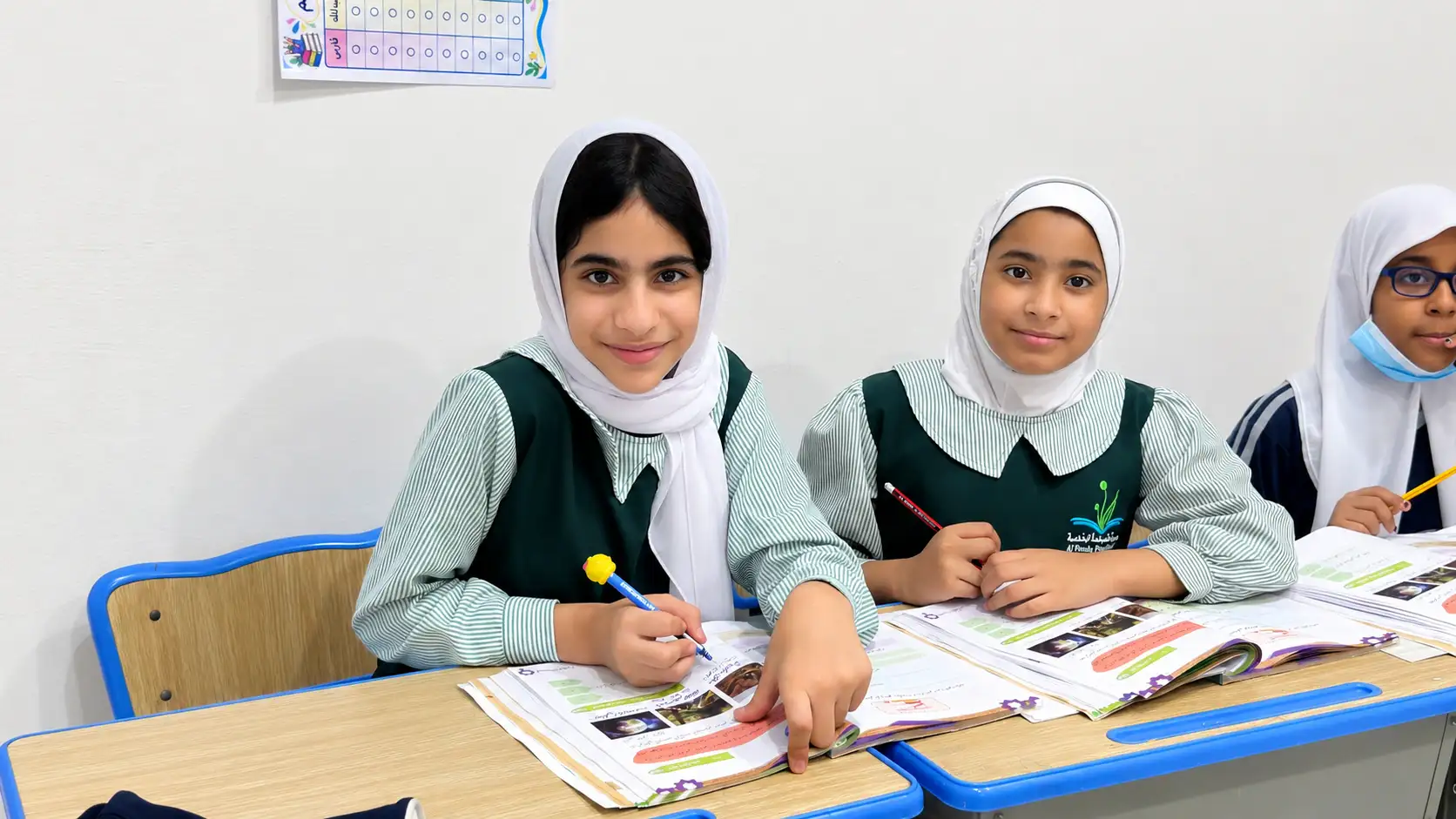
Giving Reasons for an Idea
Grade 5 pupils can increasingly be asked to explain not only what they think, but why.
A reason might come from something they observed, information they considered or a connection with earlier learning.
Explaining that reasoning helps children notice whether their idea is clear and whether it is supported strongly enough.
This turns an answer into something that can be examined rather than simply accepted.
02 / Discuss
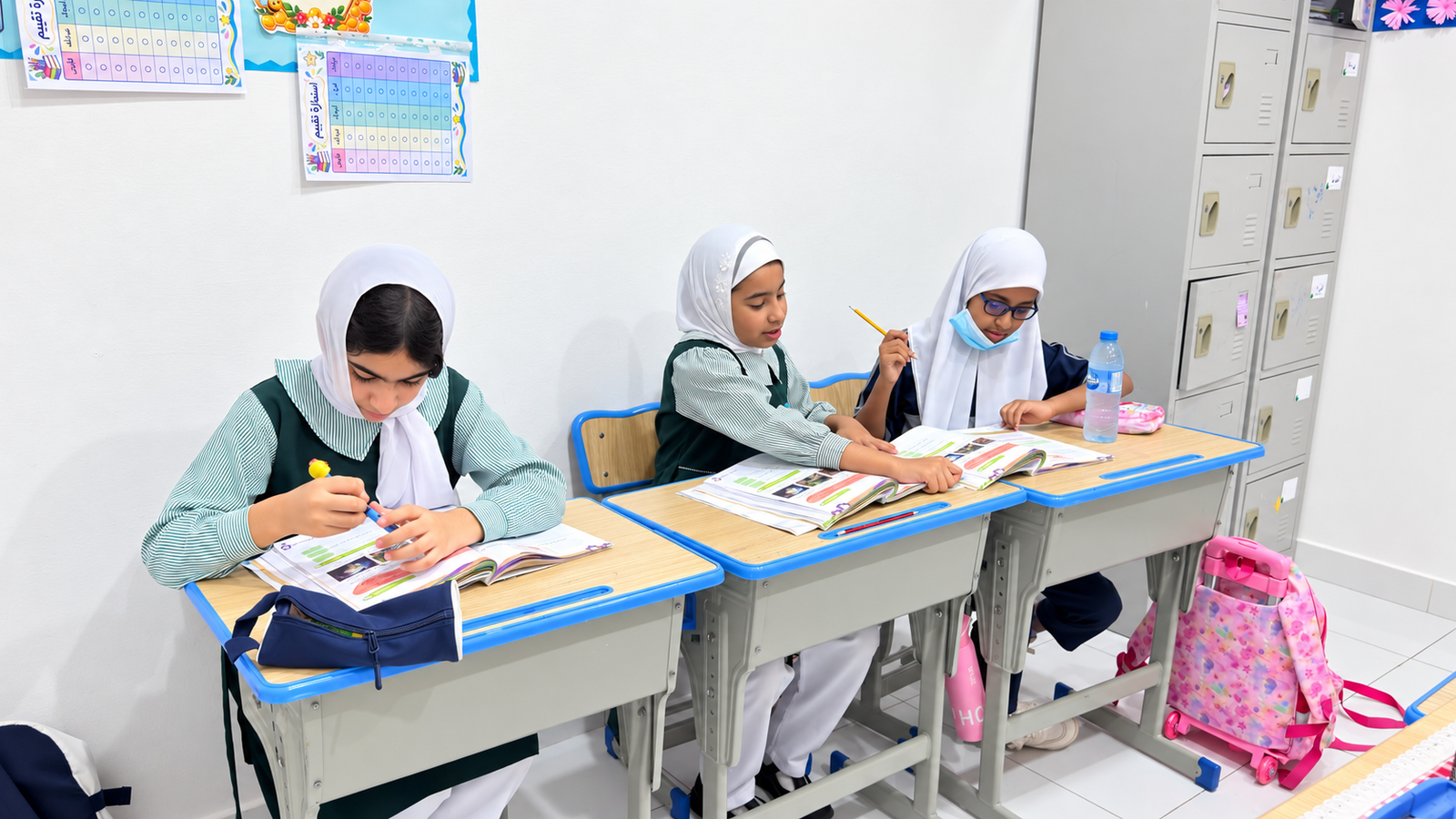
Learning Through Discussion
Discussion can help pupils test their ideas before deciding they are complete.
When children explain a point to someone else, they may notice a gap in their own reasoning. Hearing another perspective may introduce a possibility they had not considered.
Grade 5 therefore gives pupils opportunities to listen, question, respond and build on the thinking of others.
03 / Refine
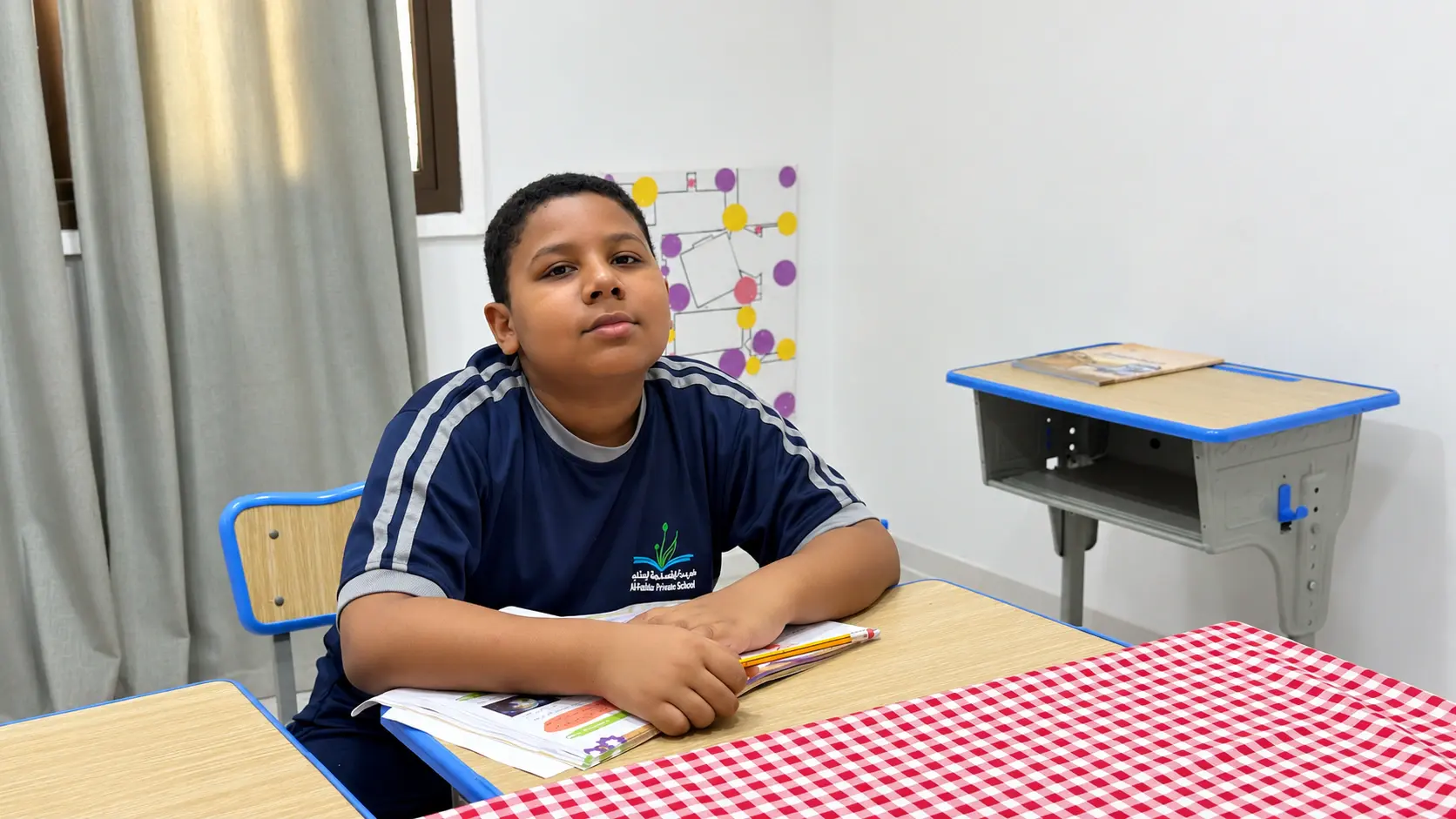
Refining an Idea After Feedback
Changing an idea is not a sign that the first attempt failed.
It can show that new information, discussion or feedback has helped a pupil think more carefully.
Grade 5 children can be encouraged to return to earlier work, identify what could be clearer and decide how to strengthen an explanation or approach.
Refinement makes improvement part of the learning process.
From a Viewpoint to a Stronger Explanation
Reasoning grows when ideas can be compared and revised.
A useful learning experience can begin when pupils do not immediately agree.
Imagine a group is considering two different solutions to the same question.
Instead of choosing one quickly, the teacher can invite pupils to explain the reasoning behind each approach, identify what supports it and listen carefully to the arguments of others.
Children may discover that one idea works in some circumstances while another is more useful elsewhere. They may also decide that their original explanation needs to change.
The learning does not come only from reaching agreement. It comes through reasoning, listening, comparison and revision.
01
Explain
Pupils make their thinking clear and give reasons for their position.
02
Compare
They listen to another approach and consider where the similarities and differences lie.
03
Refine
Children return to their own idea and decide whether it should be strengthened, adjusted or reconsidered.
Teacher Guidance
The Teacher’s Role in Grade 5
“What supports your thinking?”
“How is this view different from yours?”
“What would make your explanation stronger?”
As pupils become more capable of explaining ideas, teacher guidance can focus increasingly on the quality of their reasoning.
Teachers still introduce knowledge, explain concepts and provide clear direction.
They can also ask questions that encourage pupils to examine an idea more closely.
The purpose is not to turn every classroom discussion into a debate. It is to help children become comfortable with the idea that thinking can be questioned, clarified and improved.
Teacher guidance provides the structure that allows this process to remain purposeful.
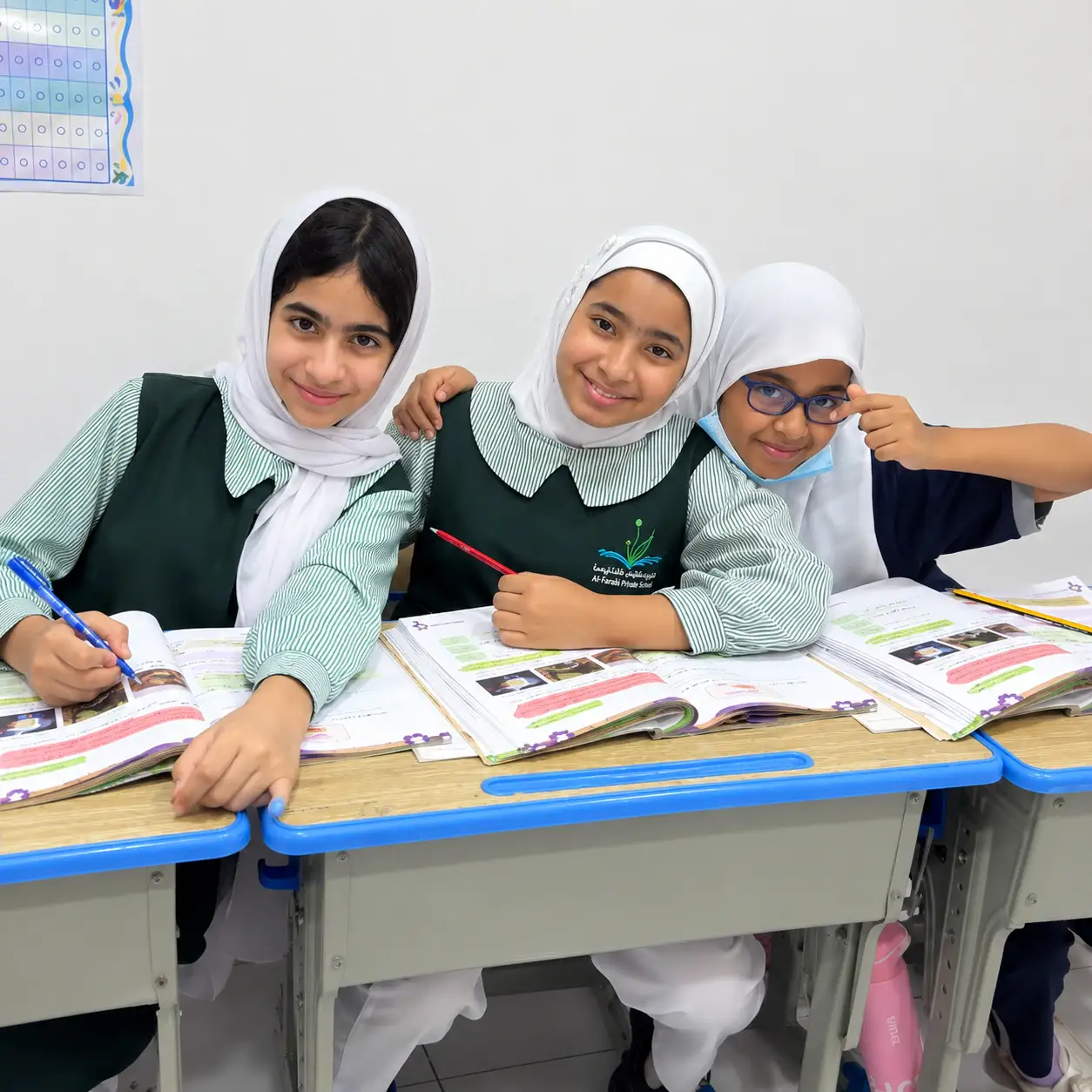
The Learning Environment
A Classroom Where Ideas Can Develop
A Grade 5 learning environment should give pupils opportunities to return to information and ideas rather than treating every task as finished once it is completed.
Books, pupil work, reference materials, visual information and examples of different approaches can support continued thinking.
Children might compare two pieces of work, revisit an earlier conclusion or use something displayed in the classroom to strengthen a new explanation.
The environment becomes valuable when it helps pupils ask “What can I use here?” and “Has anything changed what I think?”
In this way, the classroom supports learning as an ongoing process rather than a collection of separate activities.
Growing Independence
Taking More Responsibility for the Learning Process
By Grade 5, independence can begin to include greater responsibility for the quality of a pupil’s own work.
Children can increasingly be encouraged to review an approach before waiting for the teacher to identify every area that needs improvement.
These habits help pupils move from simply asking “Is this correct?” towards questions such as “Does my explanation make sense?” and “How could I make it clearer?”
01
Reason
Consider why an idea makes sense and what supports it.
02
Review
Look for gaps, unclear explanations or information that may have been overlooked.
03
Refine
Make a deliberate change that improves the work or strengthens the thinking behind it.
Personal Attention
Personal Attention in Grade 5
As pupils become more confident, the support they need can become less obvious.
One child may speak confidently but need help strengthening the reasoning behind an idea. Another may understand something deeply but hesitate to contribute during discussion. A pupil may also need guidance in responding constructively when another perspective challenges their own.
Many A.F.S classes are intentionally small, giving teachers more opportunities to notice these differences and provide guidance that responds to the individual learner.
For parents considering a Grade 5 school in Al Khoudh or a private elementary school in Muscat, personal attention matters because good support is not only about correcting mistakes. It can also help pupils recognise where their thinking can go further.
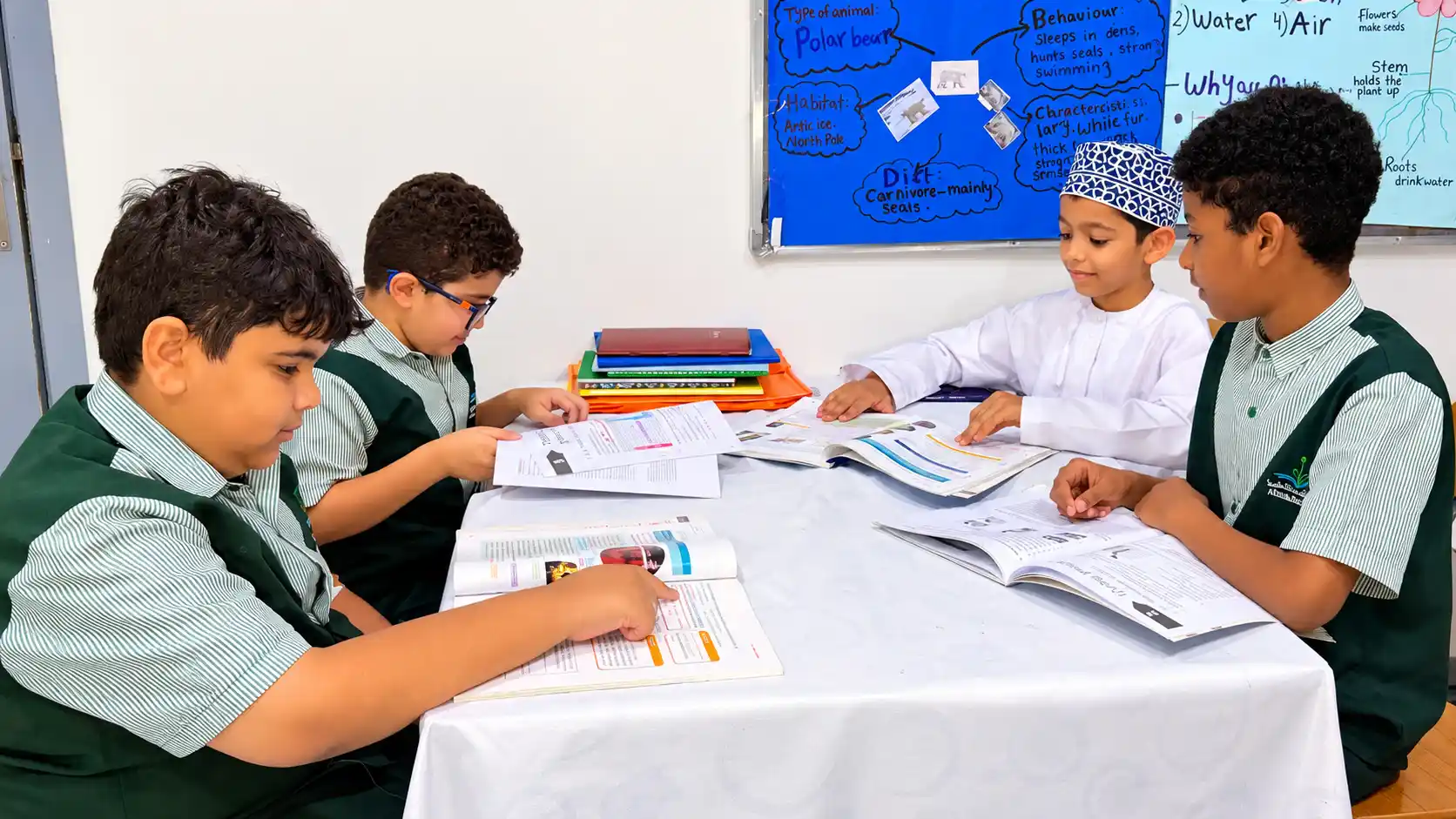
Good support can help pupils recognise where their thinking can go further.
For Parents
What Should Parents Look for in a Grade 5 Classroom?
By Grade 5, parents can begin looking more closely at whether children are learning to think about the quality of their own ideas.
01
Are pupils asked to give reasons?
Children should increasingly explain why they reached a conclusion rather than only provide the conclusion itself.
02
Are different viewpoints welcomed?
Hearing another perspective can help pupils recognise that thoughtful people do not always approach a question in the same way.
03
Can children respond to feedback?
Feedback becomes more useful when pupils can act on it rather than simply receive it.
04
Are pupils encouraged to revise their thinking?
Strong learning should leave room for an idea to change when better information becomes available.
05
Is responsibility becoming more visible?
Grade 5 pupils should gradually take a greater role in reviewing and improving their own work while still receiving clear teacher support.
Parent Questions
Grade 5 FAQs
What is learning like in Grade 5 at A.F.S?
Grade 5 combines structured teacher guidance with opportunities for pupils to reason, discuss ideas, compare viewpoints and improve their thinking through reflection and feedback.
How is Grade 5 different from Grade 4?
Grade 4 focuses more strongly on connecting ideas and applying previous learning in new situations. In Grade 5, pupils increasingly explain why they think something, examine different perspectives and refine their reasoning.
How does Grade 5 develop independent learning?
Children can gradually take more responsibility for reviewing their own work, identifying areas that need improvement and deciding how to strengthen an explanation or approach.
Do Grade 5 pupils work with other children?
Collaborative learning can include discussion, shared problem-solving and comparison of different viewpoints, helping pupils explain their own thinking while learning from others.
Are Grade 5 classes small?
Many A.F.S classes are intentionally small. Families can ask about the current Grade 5 class size when contacting the school.
Where is Al Fasaha Grade 5?
Al Fasaha Private School is located in Al Khoudh, Al Seeb, Muscat, Oman.
Visit Grade 5 at Al Fasaha
See how pupils reason, discuss and improve their ideas.
Seeing a classroom in practice can reveal much more than reading about an educational approach.
If you are considering Grade 5 in Al Khoudh, Muscat, visit Al Fasaha, explore the school environment and speak with our team about the Grade 5 learning experience.
